


Web 3D Product Display: Rendered Images or Real-Time Engine? Delivery Cycles and Rework Points Compared
Web 3D is not about dropping a 3D file directly into a webpage. It means implementing viewable, rotatable, and clickable 3D effects in a browser, based on display needs. Following 2026 project delivery practices, for light display needs, the preferred route is rendered images then integrating with WebGL; for complex interactivity, consider a real-time engine. Delivery hinges on three key factors: model poly count, load size, and browser compatibility. A typical project takes 2 to 4 weeks — this is an experience range. Choosing the wrong approach often leads to frequent rework later.
Rendered Image vs. Real-Time Engine: Different Delivery Logic
The rendered image route involves modeling in 3ds Max or Blender, producing high-precision images in V-Ray or Corona, then embedding them in a webpage via frameworks like Three.js. It is essentially pre-baked display. A real-time engine, such as UE5, runs interactive images directly, allowing rotation, zoom, and material switching, but demands higher performance and compatibility. A common practice in 2026: for display-oriented needs, use rendered images; for operation-oriented needs, use a real-time engine.
- Interactivity freedom: The rendered image approach supports only preset viewpoints and simple rotation; the real-time engine supports arbitrary viewpoints and real-time state switching, such as click-to-change color or explode views.
- Model precision: Rendered images can use high-poly models and export only images after rendering; real-time engines must control poly count. A common experience range is under 100,000 polygons, otherwise mobile devices will lag.
- Load size: The rendered image approach typically yields compressed files from a few hundred KB to 2 MB, loading fast on the first screen; real-time engine scenes often exceed 10 MB, requiring streaming or downgraded precision — this experience range is generally larger.
- Development cycle: For a single-product web display, the rendered image route takes about 1 to 2 weeks; real-time engine interactive projects take about 3 to 6 weeks. All are experience ranges and may increase with higher complexity or more revisions.
- Rework risk: Rendered image rework often stalls on inconsistencies between the visual style and the actual web render; real-time engine rework often stalls on performance optimization and browser compatibility. Both incur high rework costs.
The judgment is simple — if the client only asks to “rotate and view,” use the rendered image approach: lower cost, shorter cycle. If they require “click-to-change-color or explode internal structures,” a real-time engine is necessary. Otherwise, the logic cannot be implemented, and rework costs are higher. There is also a hybrid approach: first use rendered images for a high-quality preview, then use a real-time engine for interactivity, but control the consistency between the two versions carefully.
In 2026 Web 3D Delivery, Most Rework Occurs in Three Areas
At delivery sites, clients often get stuck on the mismatch between the rendered image style and the actual web display. In one project with a fixed budget for a pavilion scene, the original delivery was scheduled for two weeks. Due to insufficient part separation and textures exceeding 2K, the embedded webpage took 8 seconds to load, causing user loss. Rework involved reducing textures to 1K and merging the model to under 50,000 polygons, achieving a load time under 3 seconds — at the cost of a three-day delay. Since then, we always verify model poly count and texture size before delivery, rather than optimizing after producing the output.
- Modeling stage: Inconsistent units or parts not split for interaction lead to chaotic rotation axes after export. A common practice is to agree on coordinate systems and naming rules before modeling, and group parts according to interactive needs. Otherwise, fixing axes later requires handling each component individually.
- Rendering stage: Using too many high-resolution textures without compression channels doubles webpage load time. In 2026, mobile experience is emphasized. It is recommended to keep texture resolution between 1K and 2K and export to WebP or ASTC formats to reduce size.
- Embedding stage: Ignoring browser differences — Safari and Android WebView have inconsistent WebGL support, with white screens being the most common issue. Before delivery, test on Chrome, Safari, and the WeChat built-in browser, and prepare a fallback notice.
To avoid such rework, there are three hard metrics: keep total texture size per scene below 2K as much as possible, control model poly count within the experience range based on interaction intensity, and export in glTF/GLB format first. Based on 2026 mainstream browser support, this standard covers the vast majority of web 3D projects. If slow loading still occurs after launch, first check network compression, then rendering resources. This generally identifies texture or model issues.
A Practical Web 3D Production Framework: The Three-Stage, Four-Review Method
Following enterprise project delivery practices, we divide web 3D into three stages — modeling, rendering, and embedding — with a review at each stage, hence the name “Three-Stage, Four-Review Method.” This division is because each stage has different technical goals, and reviews can expose issues early, preventing rework costs from expanding later. In real projects, many teams skip reviews and go straight to output, only to discover wrong model structures and texture specs during embedding, with rework costs exceeding expectations.
- Modeling stage: Check units, scale, and part separation rules. Models must be grouped according to interactivity needs, e.g., separate naming for product shell, internal parts, and ground background. The pass criterion is that any component can be independently rotated without misalignment, and the exported hierarchy is clear.
- Rendering stage: Check texture resolution, material channels, and lighting direction. For web display, textures should be compressed to between 1K and 2K. Lighting should be confirmed in advance — whether it comes from an environment map or a directional light — to avoid overexposure or underexposure after export. Use a PBR workflow for materials and unify metalness and roughness.
- Embedding stage: Check load size, frame rate, and browser compatibility. Export in glTF/GLB format, compress with Draco, and aim for a first-screen load time under 3 seconds and interactive frame rate no lower than 30fps. This step requires repeated performance monitoring, not just export and done.
- Overall review: Compare rendered images and real-time visuals side by side to confirm there is no obvious deviation in color, texture, and proportion, then submit for client acceptance. Use real devices during review, not just desktop previews, to avoid color differences and adaptation issues.
This framework is not a fixed formula but provides a nameable checking methodology. Each project should adjust based on data volume, but the order — “set standards first, then start work” — must not be disrupted. If a project has only a few days, you can simplify to two reviews: modeling check and embedding check, but poly count and texture size checks are still indispensable.
Suitable Scenarios and Boundaries
Web 3D suits product display, digital showrooms, online education, mini-games, and other scenarios requiring in-browser interactivity. Based on 2026 project delivery habits, the following situations are well-suited:
- Product appearance display requiring rotation, zoom, and a few preset viewpoints, such as phone cases, furniture, or ornaments.
- Lightweight visualization for digital twins, where data changes cause model states to change, such as equipment status light blinking or temperature changes.
- Marketing pages needing 3D animation, but without requiring users to install plugins — web 3D lowers the entry barrier.
However, if a project requires high-precision simulation, heavy physics calculations, or multiplayer real-time interaction, ordinary web 3D is not suitable. In such cases, consider UE5 or other real-time engines to output a standalone client, or WebGL plus server-side rendering. Additionally, if the team lacks developers familiar with WebGL but insists on using a real-time engine for a webpage, they are likely to get stuck on performance optimization, making the timeline unpredictable. In that case, delivering with the rendered image approach first is more reliable than blindly following trends. In terms of budget, the rendered image approach ranges from a few thousand to about ten thousand yuan; real-time engine projects may cost up to twenty to thirty thousand yuan depending on complexity. All are experience ranges.
FAQ
How long does web 3D delivery typically take?
A single product display takes about 1 to 2 weeks; multi-scene or interactive projects take about 3 to 6 weeks. These are experience ranges, depending on model precision, interactivity requirements, and the number of revisions.
Can rendered images and real-time engines be mixed?
Yes. A common practice is to use real-time engine screenshots to produce rendered images for marketing, while also displaying real-time interaction via WebGL. However, rendering quality and performance must be controlled separately.
What delivery format should be specified?
For web 3D, prioritize delivering glTF/GLB models and engineering source files, plus a recorded demo video. Client acceptance is based on the actual browser page, not just screenshots.
Why does the webpage load slowly?
Mostly due to oversized textures and high model poly counts. Based on the experience range, not all textures in a single scene should be 2K; keep model poly count under 100,000 and apply Draco compression.
Action guide: First determine whether the client wants to “see the effect” or “operate the object,” then decide between rendered images or a real-time engine. Before delivery, run through the “Three-Stage, Four-Review Method,” focusing on model poly count, texture size, and browser compatibility. If your project is marketing-oriented with a tight timeline, prioritize the rendered image plus WebGL route; if complex interactivity is truly needed, reserve 3 to 6 weeks for a real-time engine.
-
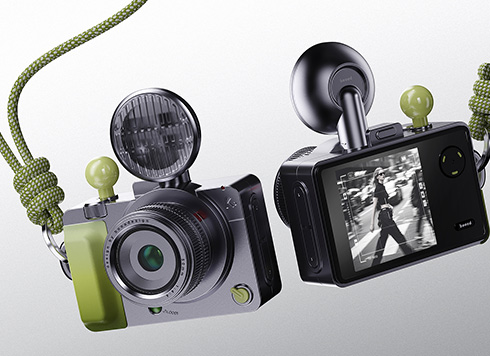 EDC·Trendy Camera Product Design: Form Follows Emotion
EDC Toy Camera: Braun-inspired retro design ...
-
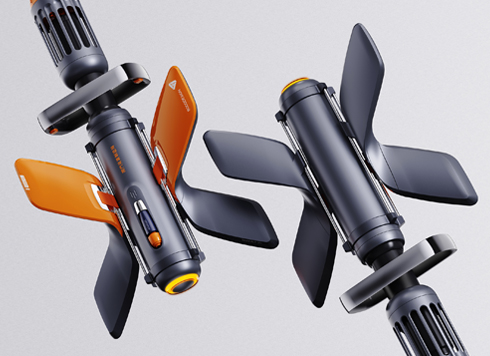 Product Design of Children's "Bubble Rocket" Underwater Thruster
Inspired by "Octonauts + Space", kids' "Bub ...
-
 Design of Adaptive Intelligent High-Altitude Shuttle Transport Robot
Smart rural shuttle bot: Streamlined, weath ...
-
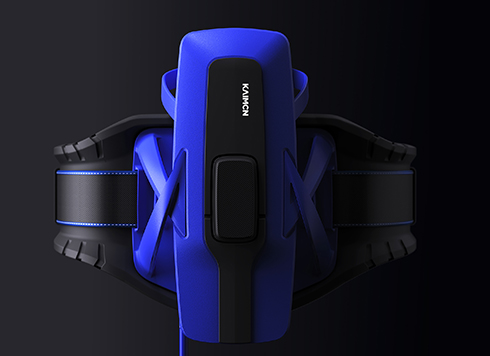 "Effortless" Exoskeleton Wear: Unleash Ultimate Freedom in the Sea
"Unfelt Wearability" & "Bionic Power" redef ...
-
WebGL for 3D Display: How Much Do Rendered Images and Real-Time Engines Differ? 2026 Delivery Timelines and Rework Points
Date: Aug 23, 2026 Read: 94
-
Mini Program 3D Display: Rendered Images vs Real-Time Engines – What's the Difference, Delivery Time, and Where Does Rework Happen?
Date: Aug 21, 2026 Read: 117
-
Web 3D display: thinking about a real-time engine but worried about timelines slipping? How many days should modeling and rendering each take?
Date: Sep 1, 2026 Read: 106
-
Web 3D Production Workflow and Rendering Delivery Standards: How to Go from Modeling to Launch?
Date: Aug 6, 2026 Read: 134
-
Complete Guide to Web 3D Production: Workflow, Tools, and Delivery Standards
Date: Jul 25, 2026 Read: 143