


Comprehensive Guide to Product Appearance Design: 3D Modeling and Rendering Workflow
The core goal of 3D modeling and rendering in product appearance design is to validate the rationality of form, material, and lighting through digital twins before mass production. In 2026, the mainstream approach is to use subdivision surface modeling (e.g., Blender, Rhino) to build the final level model, and then output production-level images via physically based renderers (e.g., V-Ray, Corona, Cycles). Key delivery metrics include: model polygon count controlled within a reasonable range (typically 100,000–500,000 for consumer electronics), material parameters based on actual measurements or manufacturer data, and resolution and perspective matching the final use case.
Product Appearance Design Process & Value
Product appearance design balances engineering feasibility, manufacturing processes, and aesthetics. 3D modeling and rendering serve as virtual prototypes, helping teams identify issues such as unreasonable parting lines and insufficient draft angles before mold opening. Digital models compress iteration cycles from weeks to days, especially in the parallel development mode of 2026, where designers can simultaneously handle multiple appearance proposals for review. Note: Delivery-level rendering should be tailored for decision scenarios—internal reviews should expose structural issues, while marketing should highlight material texture.
Four-Step Delivery Method
- Model Construction: Build the main body, chamfers, and parting lines using subdivision polygons or NURBS surfaces. Checkpoints: model is watertight, parting lines are smooth, chamfers ≥ 0.5 mm (for injection molding).
- Material & Texture: Set diffuse, reflection, and roughness based on samples or color swatches. For plastics, distinguish between gloss and matte; for metals, match environment reflections. Common rework: parameters set by intuition rather than actual measurement.
- Lighting & Scene: Use three-point lighting plus ambient light for product showcases; integrate scenes with realistic lighting. Checkpoints: shadows appear natural, highlights do not expose model flaws.
- Rendering Output: E-commerce hero images at 2000–3000 px, sampling 2000–4000 samples. Can output still frames or multi-angle sequences. Each step requires client approval to avoid skyrocketing later rework costs.
Toolchain Selection & Comparison
- Offline Rendering (Blender+Cycles, 3ds Max+V-Ray): Extremely high image quality, supports global illumination and caustics, minutes to hours per frame. Suitable for home appliance and automotive appearance reviews, output beyond 4K.
- Real-Time Rendering (Unreal Engine 5, Unity+HDRP): Rapid iteration and interactive experiences; UE5's Lumen achieves pre-rendered quality but requires LOD optimization. Suitable for online configurators, VR showrooms, and product animation previews.
Selection criteria: Choose offline for static images only; choose real-time for dynamic or interactive needs. Hybrid approach also works: offline for hero visuals + real-time for interactive demos.
Applicable Scenarios & Boundaries
Applicable: Consumer electronics (phones, earphones), home appliances (ACs, vacuum cleaners), vehicles (bicycles, auto parts), medical devices, industrial equipment appearance research. These categories have clear styling and injection molding/sheet metal process requirements.
Not Applicable: Pure concept art (stylized, not for precise manufacturing), low-complexity products (hand-drawn or CAD sufficient), extremely tight budget projects (modeling & rendering cost exceeds manual prototyping), or cases where molds are already opened and appearance will not change.
FAQ
What is the typical timeline and cost for product appearance design 3D modeling and rendering?
Initial renderings for a single product take 3–7 business days; complex structures take 2–3 weeks. Pricing varies with complexity; typically, a single product render costs 1,000–5,000 RMB.
Are modeling and rendering done by the same person?
In small teams, one person usually handles both; in large projects, roles are split: the modeler ensures structural accuracy, and the renderer focuses on lighting. With split roles, the modeler must output compliant UVs and naming conventions.
How to choose between rendering (offline) and real-time engines like UE5?
For static display (e-commerce hero images, brochures), prefer rendering for controllable quality and lower cost. For interactive needs (online configurators, showroom displays), choose real-time engines for real-time ray tracing and dynamic switching.
What are the delivery format requirements?
Static images: JPG/TIFF/PNG, ≥2000px; animations: MP4 or image sequences; models: OBJ/FBX/STEP with texture folder. Recommend outputting two versions: white background and scene background.
How to avoid large discrepancies between rendered results and actual product?
Keep material parameters close to reality: calibrate colors using a colorimeter or spectral data, measure surface roughness (Ra value). By 2026, some companies have introduced digital material libraries where supplier measured data is directly imported into renderers, significantly reducing color deviation.
2026 Common Pitfalls & Efficiency Improvements
- Model ignores parting lines and draft angles: Exposed flaws after lighting. Suggest enabling engineering checklist to confirm compliance with manufacturing constraints.
- Over-reliance on preset materials: Actual products vary greatly due to surface finishing. Build an internal material library based on real sample scans.
- Start without finalizing rendering purpose: Later changes lead to re-lighting. Confirm final usage in writing with client during quoting.
Xiyue Company, in a home appliance project, reduced rework from an average of 3 times to less than 1 by using a pre-delivery checklist (parting line visibility, color difference ΔE ≤ 1.5, etc.). AI tools (auto UV unwrapping, material calibration, sketch generation) compress repetitive work by over 60% in 2026, but style and process control still require human expertise.
Action Guide: Step 1: Clarify deliverable purpose (static/dynamic/interactive) at project start, then choose offline or real-time solution. Step 2: Establish a checklist covering model inspection, material calibration, and output specifications. The above applies to consumer electronics, home appliances, vehicles, etc.; for artistic designs like figurines and jewelry, additional considerations for sculpting software and next-gen texture workflows are needed.
-
 3D Cartoon Character Design and Modeling by Xiyue Company
Xiyue Company created a unique 3D cartoon r ...
-
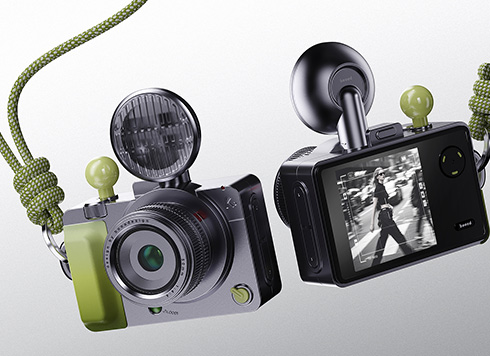 EDC·Trendy Camera Product Design: Form Follows Emotion
EDC Toy Camera: Braun-inspired retro design ...
-
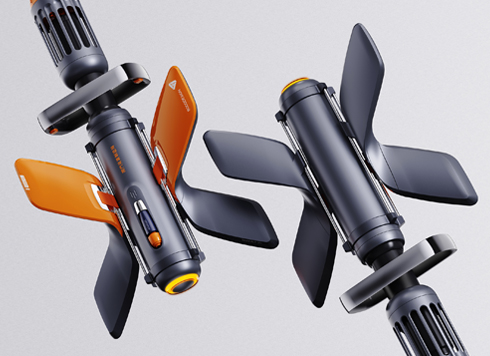 Product Design of Children's "Bubble Rocket" Underwater Thruster
Inspired by "Octonauts + Space", kids' "Bub ...
-
 Design of Adaptive Intelligent High-Altitude Shuttle Transport Robot
Smart rural shuttle bot: Streamlined, weath ...
-
A Complete Guide to Product Demo Animation Production: Tool Selection and Delivery Standards
Date: Jul 21, 2026 Read: 83
-
Product Appearance Design Looks Fine, So Why Does Engineering Say It Can't Be Molded?
Date: Sep 11, 2026 Read: 21
-
Rendering Keeps Getting Revised: Is the Main Issue Modeling or Materials and Lighting?
Date: Aug 28, 2026 Read: 58
-
3D Presentation for Product Appearance Design: Renders or Real-Time Rendering? Delivery Time and Where Rework Gets Stuck
Date: Aug 25, 2026 Read: 56
-
Factory Landscape Planning Visualization: Static Rendering or UE5 Real-Time Engine? Delivery Timeline and Acceptance
Date: Aug 14, 2026 Read: 62