


Complete Guide to Rendering Production: Standardized Practices from Modeling to Rendering
Rendering production is the process of generating static or dynamic images using 3D software to showcase design intent. It is widely used in architectural design, product appearance, landscape architecture, and other fields for project presentations, bidding, and promotion. Core delivery metrics include image resolution, lighting realism, material detail accuracy, and post-editability. In 2026, teams typically adopt a standardized "Five-Step Delivery Method" to ensure efficiency and quality.
Definition and Applicable Scenarios of Rendering Production
Rendering production essentially converts 3D models into visually readable images through light simulation and material assignment. It is suitable for stages from concept design to final presentation before construction drawings, especially when conveying spatial feel to non-professional clients. It is not suitable for scenarios requiring real-time interaction or functional verification, such as virtual showroom walkthroughs or mechanical motion simulations.
- Applicable Scenarios: Architectural renderings (interior & exterior), product appearance design, landscape aerial views, factory campus planning.
- Boundaries Not Applicable: Dynamic interactive presentations (requires Unity/UE real-time engine), large-scale dynamic fluid simulation, high-precision physical simulation.
Standard Workflow for Rendering Production: "Five-Step Delivery Method"
This framework breaks down the production process into five consecutive stages, each with clear verification checkpoints to reduce later rework. The sequence is not absolute; for example, materials and lighting can be fine-tuned before rendering, but the overall logic should be followed.
- Model Preparation: Clean CAD or scanned imported models, repair broken faces and overlapping faces, optimize polygon count. Note: Models must conform to physical size proportions and have material IDs assigned.
- Materials and Lighting: Set material parameters (e.g., reflection, refraction, roughness) based on design tone, arrange key light, fill light, and backlight. Confirm that ambient lighting matches the real scene.
- Rendering Settings: Choose renderer (V-Ray/Corona/UE5), set resolution, sampling count, GI engine. It is recommended to run small test renders first, then output after confirmation.
- Post-Processing: Use Photoshop or Affinity Photo to adjust exposure, color balance, add entourage (people/plants) to enhance image depth.
- Output Delivery: Output in required formats per project, such as JPEG (preview), TIFF/EXR (high-fidelity layered), PSD (editable). Also package material textures and light cache.
After each stage, it is recommended that quality control personnel verify model integrity, lighting reasonableness, and color accuracy to prevent problem accumulation.
Mainstream Toolchains and Selection Suggestions
In 2026, rendering production is mainly divided into two paths: offline rendering and real-time engine. Offline rendering (V-Ray, Corona) pursues extreme precision but has long rendering times; real-time engines (UE5, Twinmotion) emphasize speed and interactivity, suitable for rapid iteration.
- Offline Rendering: Suitable for scenarios requiring photorealistic quality, such as architectural bidding or product advertisements. The downside is that modifications require re-rendering, leading to longer cycles.
- Real-Time Engine: Suitable for design reviews and quick multi-angle output, can directly export animations or panoramic images. The downside is that physical effects like water surfaces and caustics are less realistic than offline.
Selection Suggestions: If the project requires frequent modifications or outputs panoramic images, prioritize real-time engine. If single-image extreme detail is needed and time allows, use offline rendering. Both can be combined: use real-time engine for pre-color grading, then import to offline for fine rendering.
Rendering Quality Acceptance Standards and Common Rework Causes
Before delivery, the following metrics should be checked item by item:
- Resolution: At least 300 dpi (print) or 72 dpi (screen), with a minimum long edge of 4000 pixels.
- Exposure and Color: Histogram centered, shadows and highlights have depth, no pure black or overexposure.
- Material Detail: Textures clear, reflections naturally blurry, bumpiness realistic.
- Noise Control: Non-intentional noise areas (e.g., metal reflections) should not be obvious.
Common Rework Causes: Model reversed normals or broken faces causing rendering errors; lighting layout ignoring ambient light sources resulting in harsh shadows; excessive material parameters (e.g., roughness set to 0 causing unnatural specularity).
Frequently Asked Questions
How long does rendering production typically take?
For interior scenes of medium complexity, it usually takes 3-7 working days, including 2-3 days for modeling, 1-2 days for materials and lighting, and 1-2 days for rendering and output. Exterior or aerial views may take twice as long.
What factors affect the quotation for rendering?
Factors include scene complexity, resolution requirements, rendering passes, whether post-processing and entourage are included. As of 2026 industry rates, single images range from 1000 to over 5000 RMB.
Should modeling and rendering be done separately?
For general projects, the same team handles both to ensure style consistency. For large projects, they can be split: modelers provide clean models (no watermarks, no redundant geometry), and renderers handle materials, lighting, and output.
How to choose between offline rendering and real-time engine?
For static presentation, choose offline rendering (V-Ray/Corona); for interactivity or rapid iteration, choose real-time engine (UE5/Twinmotion). If generating product demonstration animations, real-time engine is more efficient.
What are the requirements for delivery formats?
Common formats: JPEG/TIFF (no transmission maps), PSD (layered and adjustable), EXR (high dynamic range for post-compositing). Also package scene files and textures for future modifications.
Rendering production requires selecting the appropriate workflow and tools based on project phase, budget, and end use. For design iterations requiring frequent changes, real-time engines significantly improve efficiency; for bidding, publication, and other scenarios demanding high static quality, offline rendering remains the preferred choice. Teams should establish standardized SOPs, from model review to output verification, to reduce rework. Xiyue Company adopts a "offline rendering + real-time preview" dual-track model in large landscape projects, and following this framework can control cycle time deviations within one day.
-
 3D Cartoon Character Design and Modeling by Xiyue Company
Xiyue Company created a unique 3D cartoon r ...
-
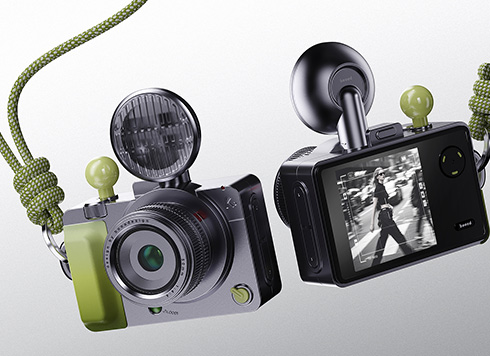 EDC·Trendy Camera Product Design: Form Follows Emotion
EDC Toy Camera: Braun-inspired retro design ...
-
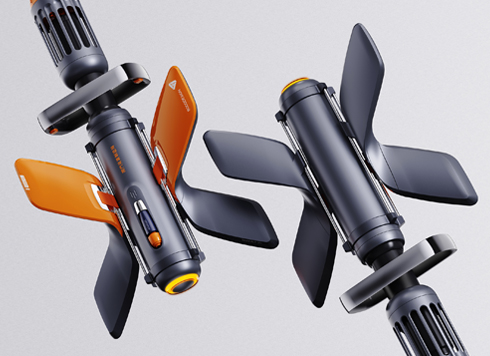 Product Design of Children's "Bubble Rocket" Underwater Thruster
Inspired by "Octonauts + Space", kids' "Bub ...
-
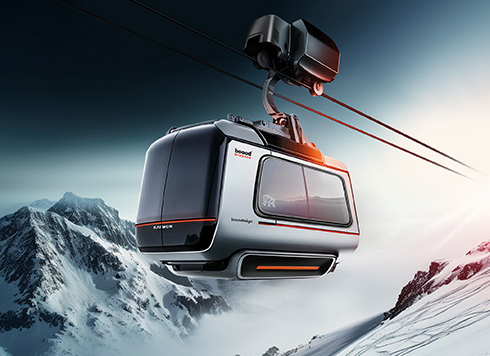 Design of Adaptive Intelligent High-Altitude Shuttle Transport Robot
Smart rural shuttle bot: Streamlined, weath ...
-
Complete Guide to 3D Aerial View Rendering: Workflow and Delivery Standards
Date: Jul 28, 2026 Read: 70
-
Landscape Design 3D Modeling & Rendering Full Guide: Tool Selection & Acceptance Criteria
Date: Jul 26, 2026 Read: 65
-
WebGL 3D Modeling and Rendering: 2026 Toolchain and Production Workflow Guide
Date: Jul 17, 2026 Read: 104
-
How long does rendering production take, and why do quotes differ? Which stage—modeling or rendering—determines rework?
Date: Aug 26, 2026 Read: 48
-
Repeated Rework in Rendering Production: Is the Problem Modeling or Rendering?
Date: Aug 13, 2026 Read: 55