



Mobile Custom Development Full Process Guide: From Requirement Analysis to Deployment
What is Mobile Custom Development
Mobile custom development refers to the engineering process of building native (iOS/Android) or cross-platform (e.g., Flutter, React Native) applications from scratch or based on frameworks according to specific business or personal needs. Unlike template-based generation, custom development allows full control over features, UI, and performance, making it suitable for complex business processes, high brand requirements, or scenarios requiring integration with private systems.
- Core Deliverables: Independently installable APP packages (IPA/APK) and corresponding backend management system
- Typical Applicable Cases: Internet startups, digital transformation of traditional enterprises, online-to-offline integrated businesses
Why Need Custom Development
By 2026, the mainstream APP market has become highly segmented, making generic templates insufficient for individual needs. Custom development is irreplaceable in the following aspects: Business Logic Customization (e.g., special approval processes), Data Privacy (sensitive information not passing through third-party platforms), Brand Consistency (pixel-perfect design implementation). For simple display or content publishing, SaaS templates or H5 wrappers are more cost-effective options.
- Favorable Scenarios: OA office, IoT control, vertical e-commerce, internal enterprise tools
- Inappropriate Boundaries: Pure content reading (e.g., news sites), one-time promotional campaigns, prototype validation stages
How to Plan a Custom Development Process
Based on project delivery practices in 2026, a standard cycle is typically divided into five stages, each with specific deliverables and acceptance criteria. Below is a reusable "Five-Step Implementation Method":
- Requirement Gathering and Feasibility Assessment: Deliver a PRD document, clarifying core features and priorities; distinguish between "must-haves" and "nice-to-haves."
- UI/UX Design and Interaction Confirmation: Produce high-fidelity prototypes, conduct at least one round of usability testing; avoid modifying designs after development begins.
- Technology Selection and Architecture Design: Choose native or cross-platform based on concurrency needs, offline requirements, and team tech stack; it is recommended to produce a technical solution review document.
- Sprint Development and Internal Testing: Adopt agile iterations, with a version every 2-4 weeks; simultaneously write automated test cases covering core paths.
- Deployment and Maintenance Handover: Submit to app stores for review, configure server monitoring and logs; ensure an operations manual is provided during handover.
Each step requires clear entry and exit criteria, for example, "UI design must be signed off by the client before development begins." A common pitfall is skipping feasibility assessment and jumping into design, or discovering app rejection during the launch phase.
Technology Selection: Native vs Cross-Platform
Technology choice directly impacts development cost, performance, and maintenance complexity. Below is a structured comparison based on mainstream practices in 2026:
- Native Development (Swift/Kotlin): Best performance, access to latest system APIs; suitable for high-performance games, audio/video processing, core hardware interaction. Longer development cycle, requires two teams.
- Cross-Platform (Flutter/React Native): Code reuse rate approximately 70%-90%, one codebase covering both platforms; suitable for enterprise applications with complex business logic that do not require extreme performance. Note: complex animations, Bluetooth, and other low-frequency APIs may require native module bridging.
- Hybrid (H5 + Native Shell): Flexible updates, but not suitable for scenarios requiring frequent network connectivity and smooth loading.
Selection Advice: If your team already has native technology expertise and the target device range is small, native is more controllable; if you want to launch quickly and have a limited budget, cross-platform is a common choice in 2026. Note: Cross-platform frameworks update rapidly, so budget for technical upgrades.
Frequently Asked Questions
How long does custom development usually take?
Depending on feature complexity and team size, a typical application with user system, payment, and push notifications usually takes 2-5 months for the first version.
How to estimate development cost?
Calculate based on daily rate multiplied by estimated hours, plus a 20% buffer. In 2026, daily rates for mature domestic teams range from 800 to 2000 RMB, influenced by region and features.
How to ensure quality after development?
Require a complete set of test cases (unit tests, integration tests, UI automation tests) before delivery, and establish a clear bug-fix period (e.g., free fixes for logic defects within 30 days).
Is it necessary to publish on app stores?
Not necessarily. Enterprise internal apps can be distributed via MDM or enterprise certificates without public review; however, public downloads must be on stores and comply with platform policies.
What are the ongoing maintenance costs?
Typically estimated at 15%-20% of the first-year development cost annually, covering basic server operations, regular version compatibility updates, and security patches.
Applicable Scenarios and Boundaries
Mobile custom development is best suited for: Business processes that cannot be standardized (e.g., multi-step approvals), high data security requirements (local encrypted storage), need for brand differentiation (custom interaction gestures, animations). However, if the business is still in exploration, it is advisable to use H5 or templates to validate the model first, avoiding premature custom investment.
Unsuitable scenarios: Purely display-oriented content applications (use the web), mature SaaS solutions available (e.g., general CRM) with no need for modification, one-time activities or short-term marketing (costs cannot be recovered).
Action Guide: Before starting the project, write a one-page "Requirement Scope and Exclusion List" to clarify which features will not be implemented this time. Based on budget and timeline, prioritize core features to achieve a closed loop, then iterate in versions. Xiyue Company has helped many traditional enterprises achieve mobile launch from 0 to 1; choose a development partner with relevant industry experience.
-
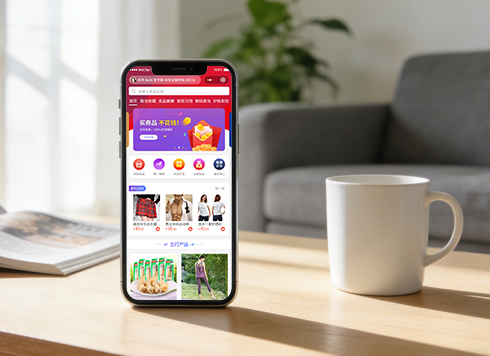 Well-Recognized Custom E-Commerce Mall System Dev
The Good Shopping mini-app is natively buil ...
-
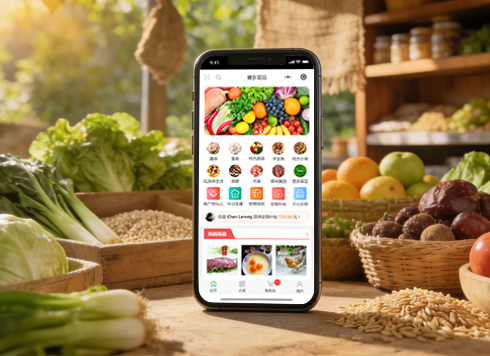 Anhui Huixiang Vegetable Garden Agricultural Products Mini Program v2.0 Iteration Development
HuiXiang MiniApp V2.0: Upgraded homepage, n ...
-
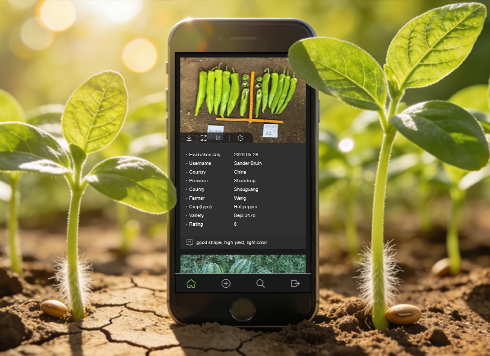 Kunshan TrialBook Mini-Program Custom Development
This project developed an English-only Tria ...
-
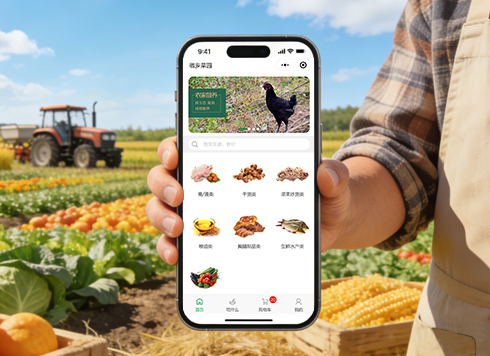 Agricultural Products WeChat Mini Program Custom Development
Lvran Di enhances agricultural sales via a ...
-
What Is Mobile Custom Development: Process, Cost, and Selection Guide
Date: Aug 11, 2026 Read: 58
-
A Complete Guide to Mobile Custom Development: Process, Technology Selection, and Pitfall Avoidance
Date: Jul 29, 2026 Read: 75
-
Mobile Custom Development Full Process: A Practical Guide from Needs Assessment to Launch and Maintenance
Date: Jul 28, 2026 Read: 98
-
Mobile Custom Development Full Process Guide: From Requirements Analysis to Launch and Maintenance
Date: Jul 25, 2026 Read: 89
-
Custom Mobile App Development: Needs Assessment, Technology Selection, and Implementation Key Points
Date: Jul 20, 2026 Read: 115