



AI Digital Human 3D Modeling Production Process Guide: From Requirements to Delivery
What is AI Digital Human 3D Modeling and Why Standardized Process Is Needed
AI digital human 3D modeling refers to the rapid creation of realistic or stylized 3D digital human models using generative AI tools (e.g., MetaHuman, DeepMotion, Stable Diffusion combined with 3D engines). The common approach in 2026 is a hybrid pipeline of "AI preprocessing + manual refinement + real-time engine driving." A standardized process significantly reduces iteration costs: based on industry experience, a standard workflow can reduce rework rates from 40% to below 15% and ensure reusability of deliverables in expressions, lip sync, and skin details.
Traditional manual modeling takes 2-4 weeks, while AI digital human 3D modeling can compress the cycle to 3-7 days, provided the team clearly understands the quality control metrics at each node. Without process constraints, the probability of topological chaos, excessive face count, and binding failures later is extremely high.
Five-Step Implementation: AI Digital Human 3D Modeling Production Framework
The following framework is summarized based on mainstream toolchains in 2026 and is divided into five stages: requirement structuring, AI generation and topology optimization, materials and textures, skeletal binding and facial expression system, and real-time rendering and delivery. Each stage has clear inputs, outputs, and acceptance criteria.
- Requirement Structuring: Define the digital human's gender, age, style (realistic/cartoon), expression level, and whether real-time driving is needed. Output: A "Digital Human Specification Sheet" including polygon budget (e.g., 150k for realistic, 50k for cartoon), texture size (4K or 8K), and bone count (typically 50-100).
- AI Generation and Topology Optimization: Use MetaHuman or DeepMotion to generate a base model, then manually clean topology (focus on eye/mouth areas and joints) to ensure edge flow supports facial micro-expressions. Acceptance criteria: Base model passes facial binding tests with no gaps or excessive triangle concentration.
- Materials and Textures: Create PBR materials using Substance Painter or AI texture generation tools, including diffuse, roughness, normal, and displacement maps. Note: Skin requires subsurface scattering (SSS) materials, with separate eye textures. Acceptance: Pre-render in engine passes lighting test with no color bleeding.
- Skeletal Binding and Facial Expression System: Use industry-standard skeleton architecture (e.g., Mixamo or custom FBX skeleton) combined with ARKit or FACs expression system. After binding, perform expression interpolation tests to ensure lip sync corresponds to 60+ phonemes. Acceptance: Each expression controller transitions smoothly without clipping.
- Real-Time Rendering and Delivery: Select rendering engine based on scenario (real-time engines like UE5, Unity, or offline rendering like V-Ray). Final deliverables include model files, textures, binding controllers, and usage documentation. Acceptance: Runs at target frame rate on intended platform (mobile, PC, Web, etc.) with reasonable memory usage.
Key points for each step: In requirements, budget constraints are most easily overlooked, leading to later rework; in AI generation, finger topology errors are common and must be manually corrected; in materials, avoid single light source testing and simulate real-world lighting.
Offline Rendering vs. Real-Time Engine: Selection Comparison
In AI digital human 3D modeling delivery, the choice of rendering method directly affects final appearance and performance. Here is a comparison of the two common approaches in 2026:
- Offline Rendering (e.g., V-Ray, Corona): Each frame may take minutes to render, but offers extremely high quality, suitable for static displays and cinematic trailers. Disadvantage: No interactivity, long iteration cycle. Applicable scenarios: High-end product promotional videos, film-grade digital human close-ups.
- Real-Time Engines (e.g., UE5, Unity, WebGL): Run at 30-60 fps in real time, support interactivity (e.g., dialogue, action triggers). Disadvantage: Quality limited by performance, requires fine optimization. Applicable scenarios: Virtual live streaming, online education, mini-program digital humans.
Selection criteria: If the project requires real-time user interaction (e.g., AI customer service digital human), choose a real-time engine; if pursuing ultimate single-frame quality with no interactivity, choose offline rendering. Boundary note: A hybrid pipeline is also feasible—render action sequences offline first, then embed as video streams in real-time scenes, but this may increase latency.
Applicable Scenarios and Boundaries
AI digital human 3D modeling is suitable for: virtual streamers (24/7 live streaming), corporate virtual spokespersons (consistent brand image), education and training (interactive tutors), game NPCs (upgradable dialogue systems). Not suitable or recommended for: projects with budgets under 30,000 USD (cannot cover fine binding and textures), requiring ultra-realistic skin without high-end rendering farm, or target platforms being low-end phones with frame rate requirements above 60 fps (requires drastic polygon reduction, potentially losing detail).
Additionally, if the team lacks 3D artists, purely AI-generated models may not meet commercial standards; it is advisable to purchase ready-made models rather than custom modeling from scratch. Xiyue Company once delivered an AI digital human system for an education client using UE5 real-time rendering, with a delivery cycle of 5 days and one-time acceptance, thanks to clear requirements specifications in the early stage.
Frequently Asked Questions
How long does it take to create an AI digital human 3D model?
Based on the standard process, from requirement confirmation to delivery, it typically takes 3-7 working days, with AI generation taking 1 day, manual refinement and binding 3-4 days, and rendering and testing 1-2 days.
What factors affect the quotation?
Main factors include model style (realistic is 30%-50% more expensive than cartoon), binding complexity (whether full body with fingers), rendering method (offline rendering adds farm costs), and whether animation driving is included.
How is the division of labor between modeling and rendering?
Modeling handles topology, edge flow, and base materials; rendering handles lighting, post-production color grading, and output settings. In AI digital human scenarios, modeling often needs to consider optimization constraints of real-time engines, so it is recommended that the rendering team participate early.
What are the common delivery formats?
Common delivery formats include FBX (with skeletal animation), Gltf (suitable for Web), USDC (Unity/UE5), and accompanying texture folders (TGA/PNG format). It is recommended to include a usage document.
How to judge if an AI digital human model quality is acceptable?
Check whether expression controllers are smooth, lip sync matches phonemes, skin looks natural under three lighting conditions, and frame rate on target device meets requirements (e.g., above 30 fps on mobile).
Common Rework Causes and Avoidance Methods
Based on project delivery experience in 2026, the following three types of rework are most common:
- Requirement Changes: Customer requests increased facial details or style changes mid-modeling. Avoidance: Use visual style reference images during requirements phase and sign requirement confirmation document.
- Binding Failures: Improper topology leads to expression controller deformation. Avoidance: Add joint edge loops during topology phase and perform binding tests early.
- Performance Exceedance: Model polygon count exceeds engine limit, resulting in frame rate issues. Avoidance: Clearly define polygon budget in initial specification and preview in engine at each stage.
Additionally, avoid using untested third-party plugins to prevent material loss. Xiyue Company adopts a Friday pre-delivery review mechanism, catching 70% of potential issues before they become problems.
Action guide: If you are planning an AI digital human project, first define the use scenario and interaction requirements, then choose the appropriate rendering path. For scenarios with limited budget and real-time interaction needs, prioritize energy-efficient rendering pipelines in UE5 or Unity, and reserve 30% of time for optimization. Remember, no single solution fits all projects; clear boundaries and delivery standards are key to avoiding waste.
-
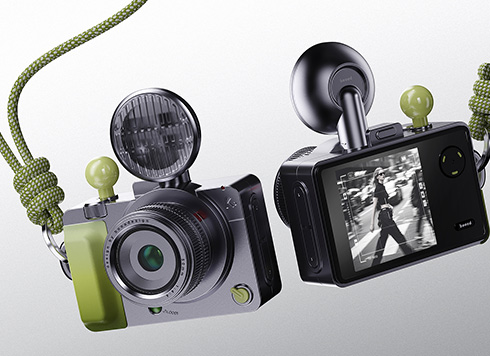 EDC·Trendy Camera Product Design: Form Follows Emotion
EDC Toy Camera: Braun-inspired retro design ...
-
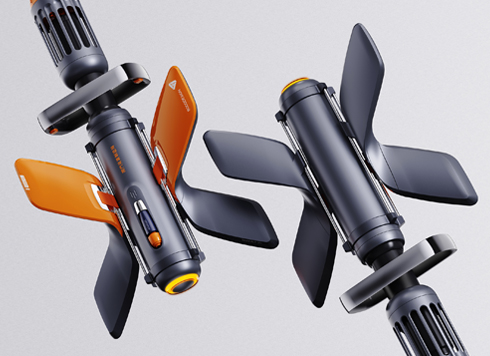 Product Design of Children's "Bubble Rocket" Underwater Thruster
Inspired by "Octonauts + Space", kids' "Bub ...
-
 Design of Adaptive Intelligent High-Altitude Shuttle Transport Robot
Smart rural shuttle bot: Streamlined, weath ...
-
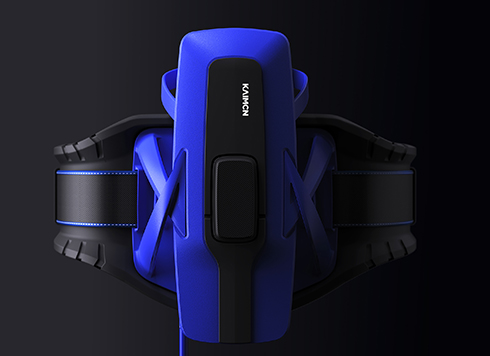 "Effortless" Exoskeleton Wear: Unleash Ultimate Freedom in the Sea
"Unfelt Wearability" & "Bionic Power" redef ...
-
How to Do 3D Modeling and Rendering for Landscape Design? 2026 Complete Workflow and Delivery Standards Guide
Date: Aug 11, 2026 Read: 57
-
Product Appearance Design: Modeling Workflow, Rendering Options, and Delivery Standards
Date: Aug 9, 2026 Read: 59
-
How to Do AI Digital Human 3D Modeling: A Guide to Workflow, Tools, and Delivery Standards
Date: Aug 7, 2026 Read: 90
-
3D Modeling and Rendering Workflow and Selection Guide for Factory Building Landscape Design
Date: Jul 29, 2026 Read: 68
-
Why does AI digital human 3D modeling have a waxy look? Which step is the problem?
Date: Sep 9, 2026 Read: 27