



Full-Cycle Mobile Software Custom Development: A Practical Guide from Selection to Delivery
The essence of mobile software development is to deliver stable, usable products under resource constraints. In 2026, mainstream approaches include native development (Swift/Kotlin), cross-platform frameworks (Flutter, React Native), and hybrid development (Cordova, etc.). No one-size-fits-all answer exists for technology selection; decisions should be based on user scenarios, performance requirements, and team tech stack. Below is a breakdown of key stages from a full-cycle perspective.
Core Value and Evaluation Criteria
The core value of custom development lies in functionality tailored to business needs rather than generic templates. Evaluation criteria include: predictable delivery timeline, performance benchmarks (first-screen load <2s, frame rate >30fps), and manageable long-term maintenance costs. It is not advisable to choose a solution based solely on initial quotes; instead, calculate the total cost of ownership over 3 years.
- Performance-first scenarios (e.g., games, AR): Native is the baseline.
- Rapid validation scenarios (e.g., MVP, utility apps): Cross-platform can significantly shorten the cycle.
- Content display scenarios (e.g., news, forms): Hybrid development is sufficient and cost-effective.
Technology Selection: Native vs. Cross-Platform vs. Hybrid
Comparison Framework
Below is a four-dimensional comparison of three major approaches, applicable to the 2026 mainstream tech stack:
- Performance & User Experience: Native ★★★★★ > Flutter ★★★★☆ > React Native ★★★☆☆ > Hybrid ★★☆☆☆
- Development Efficiency: Cross-platform (Flutter/RN) ★★★★★ > Hybrid ★★★☆☆ > Native ★★☆☆☆
- Native API Access: Native ★★★★★ > Flutter ★★★★☆ > RN ★★★★☆ > Hybrid ★★★☆☆
- Maintenance Cost (3 years): Native ★★★☆☆ (dual team) > Cross-platform ★★★★☆ (single team) > Hybrid ★★★★☆
Note: The ratings above are industry averages; actual performance depends on tech stack depth. For example, while Flutter now approaches native in complex animations, its ecosystem for native plugins like Bluetooth still lags behind React Native.
Three-Step Implementation: From Requirements to Launch
This framework is designed to minimize rework, with clear deliverables at each stage.
- Requirement Anchoring & Scope List: List all features and mark them as core (must-have), important (should-have), or optional (nice-to-have). Core features should not exceed 40% of the total. Boundary: If more than 60% of requirements are marked "must-have", re-evaluate business priorities.
- Technology Selection & Architecture Design: Choose a solution based on core feature characteristics from step 1. For example, if offline storage, push notifications, payments, and other native dependencies are required, prioritize native or Flutter. Also produce a technology selection report with performance benchmarks.
- Iterative Development & Continuous Delivery: Use bi-weekly sprints delivering incrementally runnable builds. Key checkpoint: During first integration, test all native call paths to avoid major rework later. In 2026, it is recommended to use CI/CD for automated building and distribution.
Note for each step: Step 1 is most often overlooked; rushing into development causes scope creep. Step 2 requires verifying technical feasibility (e.g., prototype key paths). Step 3 quality gates should include performance baselines.
Frequently Asked Questions
Which is more cost-effective: native or cross-platform development?
Cross-platform has 30%-50% lower initial costs, but if complex native integrations are involved, later maintenance may offset the advantage. Native offers greater control over localization and performance optimization, making it suitable for long-term products.
How long does mobile software development typically take?
A medium-complexity app (login, list, payment, push notifications) usually takes 3-6 months from requirements to launch with a team of 3-5 people. If instant messaging or video processing is included, the timeline extends to 6-12 months.
How to evaluate a development team's technical capability?
Check hard metrics from their past projects: crash rate, package size, loading speed, and ask for a technical proposal. A team that clearly explains why they chose a certain solution and anticipates risks is more reliable.
Is hybrid development still viable in 2026?
For content-focused apps lacking complex animations (e.g., corporate news, simple surveys), hybrid development still offers fast launch advantages. However, if the expected user base exceeds 100,000, consider migrating to cross-platform or native.
Applicable Scenarios and Boundaries
Suitable Scenarios
- Deep customization of user experience (e.g., branded apps)
- High security requirements (e.g., finance, healthcare)
- Need for continuous iteration and integration with various system capabilities (camera, NFC, etc.)
Unsuitable Scenarios
- Business needs fully met by standardized templates (use SaaS solutions for cost efficiency)
- Team has no mobile development experience with extremely low budget (consider outsourcing + hybrid as a transition)
- Project timeline shorter than 2 months with more than 20 features (high risk of delay; drastically reduce scope)
Boundary statement: Custom development is not suitable for one-off, low-user internal tools; such needs can be met by low-code platforms or web apps with higher ROI.
Action guidance: Before project kickoff, prioritize validating the technical feasibility of the three most core features via prototype. If the team lacks mobile development experience, consider collaborating with teams like Xiyue Company that have a complete delivery process to reduce technical risk. Boundary: When business requirements are unclear or change more than once per week, clarify requirements first before starting development. In 2026 industry practice, time spent on selection and prototyping in the early phase should be no less than 20% of total project duration.
-
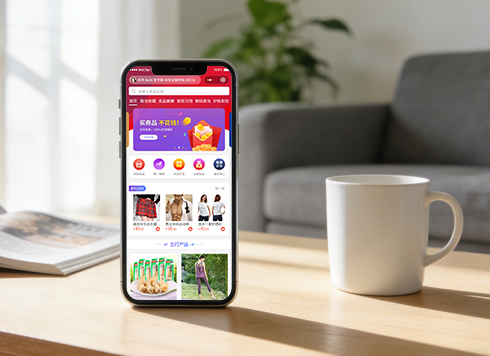 Well-Recognized Custom E-Commerce Mall System Dev
The Good Shopping mini-app is natively buil ...
-
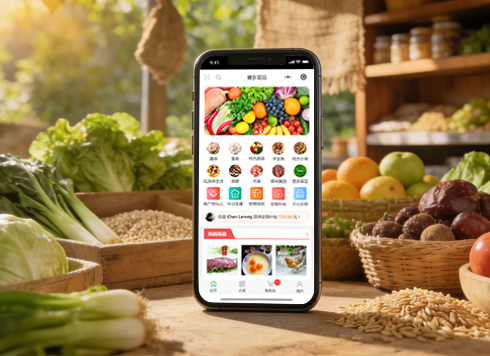 Anhui Huixiang Vegetable Garden Agricultural Products Mini Program v2.0 Iteration Development
HuiXiang MiniApp V2.0: Upgraded homepage, n ...
-
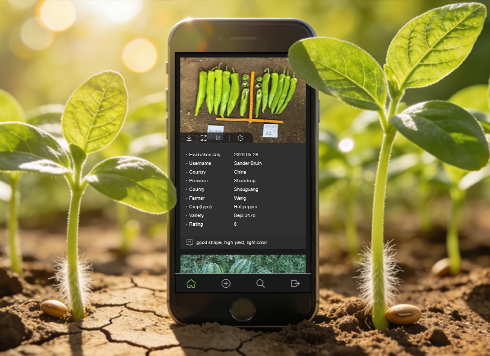 Kunshan TrialBook Mini-Program Custom Development
This project developed an English-only Tria ...
-
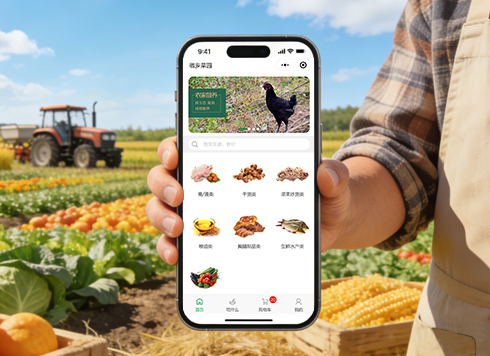 Agricultural Products WeChat Mini Program Custom Development
Lvran Di enhances agricultural sales via a ...
-
Custom App Development: Flutter or Native, Which Is More Suitable for Small Teams?
Date: Aug 22, 2026 Read: 102
-
How to Develop Mobile Software: A Complete Process from Requirements to Delivery and Acceptance
Date: Aug 7, 2026 Read: 118
-
Mobile Custom Development Solution Selection: From Technical Route to Implementation Process
Date: Jul 21, 2026 Read: 154
-
How to Develop Mobile Software: A Complete Guide from Requirements Assessment to Launch
Date: Aug 10, 2026 Read: 101
-
Mobile Custom Development Selection and Implementation Guide
Date: Aug 8, 2026 Read: 106