



Complete Process of Custom Mobile Development: Key Steps from Requirements to Launch
Custom mobile development is an end-to-end app building service that starts from requirements analysis, UI/UX design, technology selection, coding, and testing to launch, tailored to a business's specific scenarios. In 2026, the market mainstream has formed a standardized four-stage process with differentiated solutions around cost, cycle, and controllability. For scenarios with unique business logic, deep integration with internal systems, or high data security requirements, custom development is the inevitable choice; conversely, general-purpose apps should prioritize SaaS or template solutions. The following breaks down the key decision points and execution standards for each stage to help project stakeholders establish an actionable judgment framework.
Core Value and Applicability of Custom Development
Custom development differs from using templates or low-code platforms. Its advantages lie in fully matching business processes, private data deployment, and flexible feature expansion. However, not all scenarios are suitable: when business logic is unique, deep integration with internal systems is needed, or data security compliance is required, custom development is the inevitable choice; conversely, for general-purpose apps (e.g., simple information display, basic e-commerce), mature SaaS solutions or templates can go live faster. A self-contained boundary judgment: if the project's core requirements can be covered by 95% of existing features without secondary modification, standardized products are recommended over custom development.
- Suitable for custom: Vertical industry solutions (healthcare, industrial, finance), internal OA with complex approval processes, mobile terminals connecting to ERP/CRM.
- Not recommended for custom: Highly homogeneous social/content communities, temporary apps for marketing campaigns only.
Four-Stage Standardized Process
In 2026, mainstream project management typically divides custom development into four stages, each with clear deliverables and acceptance criteria. This division stems from the integration of agile development and milestone management, ensuring rapid response to changes while avoiding scope creep.
- Requirements Stage (2-4 weeks): Output includes Product Requirements Document and interactive prototypes. Key actions: business process mapping, user story breakdown, third-party API confirmation. Acceptance criteria: all features must be described with "positive + negative" scenarios, and prototypes must cover all page flows. Common pitfall: vague handling of "to-be-determined" items at this stage leads to numerous changes during development.
- Design Stage (2-3 weeks): Deliver high-fidelity UI mockups and visual specifications. The core is to maintain platform consistency (iOS HIG/Android Material Design) while highlighting brand characteristics. Note: design drafts must include cut specification marks to avoid rework during development.
- Development Stage (6-12 weeks): Iterate by priority, usually completing core features first then peripheral ones. In 2026, bi-weekly sprints are common, with a runnable version at the end of each sprint. Technology selection (native/cross-platform) determines team composition and code reuse rate at this stage.
- Testing and Launch (3-5 weeks): Includes functional testing, performance testing, compatibility testing (covering top 20 devices), and security testing. Before launch, a Test Report and Operations Manual must be completed.
Each stage must end with a formal review, and the client must sign off before proceeding to the next stage. This is key to controlling cost and timeline.
Technology Selection: Native vs. Cross-Platform
Technology selection directly affects development cost, performance, and long-term maintenance. Below is a comparison of common options in 2026, based on industry experience ranges; actual figures may vary per project.
- Native Development (iOS Swift + Android Kotlin)
- Advantages: Best performance, full access to system APIs, smooth animations, compliant with platform guidelines.
- Disadvantages: Two codebases, double the labor cost, longer cycles, requires dual teams for maintenance.
- Applicable: High-performance needs (gaming, AR/VR), complex interactions, deep hardware access.
- Cross-Platform Development (Flutter / React Native)
- Advantages: Single codebase for both platforms, high development efficiency, cost approximately 60%-70% of native, easy hot updates.
- Disadvantages: Some native modules require bridging; complex animations may suffer performance loss; platform consistency requires extra work.
- Applicable: Content display, e-commerce, internal enterprise tools, medium performance requirements.
Selection advice: If the project budget is under 400,000 CNY and requires fast launch for validation, cross-platform is preferred; if the project is positioned as a flagship product with a lifecycle over 3 years, native solutions have cost advantages in long-term maintenance. A self-contained judgment: cross-platform solutions in 2026 can cover over 80% of functional scenarios, but for hardware-related technologies like Bluetooth, NFC, or background keep-alive, native is still recommended.
Project Management and Quality Control
The most common reasons for custom development failure are not technology itself, but requirement changes and communication gaps. In 2026, project management recommends the following practices:
- Weekly Sync Mechanism: Client and development team hold a weekly progress meeting to demo current version features, with on-the-spot confirmation or adjustments.
- Version Lock Strategy: After the requirements stage, non-core requirements are placed in a "Version 2.0" queue to avoid frequent interruptions during development.
- Code Review: The development team implements Pull Request reviews, requiring at least two approvals before merging. Quality metrics: zero high-risk vulnerabilities from static scanning, code comment coverage >30%.
- Automated Testing: UI automation tests cover core business paths, with automatic regression on each build to reduce regression risk.
Acceptance criteria must be clearly defined in the contract stage: typically include 100% feature completeness, no P0-level bugs, crash rate below 0.1%, response time under 2 seconds, etc. A self-contained boundary: if the client insists on "perfect no bugs" acceptance, the project will be caught in endless fixes — a reasonable approach is to set three levels of defect lists and agree on fix deadlines rather than zero defects.
Cost Composition and Budget Planning
The total cost of custom development consists of the following parts, with reference to common outsourcing company quotes in the domestic market in 2026 (not fixed values):
- Requirements and Design: 15%-25% of total budget. Includes prototypes, UI, interaction documentation.
- Development Implementation: 50%-65%. Estimated based on feature complexity and duration, commonly using per-person-day rates (mid-level engineer approx. 1,500-2,500 CNY/day).
- Testing and Deployment: 10%-15%. Includes server configuration, app store accounts, publishing services.
- Post-Launch Maintenance: Usually charged annually after the warranty period, approximately 15% of total project cost per year.
A self-contained budget guide: Total price under 300,000 CNY is typically for light apps with no more than 50 features; 600,000-1,500,000 CNY for moderately complex projects; above 1,500,000 CNY may involve back-end system development or multi-end (mini-program + app). Note: quotes significantly below industry average raise concerns about team capability or future surcharges.
Frequently Asked Questions
How long does custom development typically take?
A full cycle (from requirements to launch) usually takes 4-6 months, depending on feature complexity and team size; urgent projects can be compressed to 3 months by adding parallel resources.
How secure is cross-platform development?
Flutter and React Native themselves do not introduce security vulnerabilities; security level depends on coding practices. Data encryption, transmission security, etc., need to be implemented to the same standards as native.
Can I switch development companies during the process?
Technically possible, but requires transferring source code, documentation, and design drafts. The new team will need time to familiarize with the existing architecture, often leading to extra time and cost. It's recommended to choose carefully upfront.
Does the app need ongoing maintenance after launch?
Yes. iOS and Android have major updates each year, and Apple's review rules can change. It's advisable to reserve an annual maintenance budget covering compatibility adaptations and security patches.
Can I first develop an MVP version and iterate later?
Yes. An MVP version focuses on the core business loop to quickly validate the market, then optimize features based on data feedback. However, the technical architecture should be planned in advance to avoid excessive refactoring costs later.
By 2026, custom mobile development has entered a mature phase. Enterprises should choose the appropriate solution based on their business complexity, budget, and time window. For projects with special processes, data security sensitivity, or deep integration needs, custom development remains a quality path; but beware of requirement creep and communication costs. It is recommended to complete a "Technology Selection Evaluation Form" before starting, scoring from three dimensions: performance, cost, and maintenance. If the project involves multi-end simultaneous development, Xiyue Company often adopts a "cross-platform + native plugin" hybrid architecture to balance efficiency and performance, but this is only a reference case and may not apply to all scenarios.
-
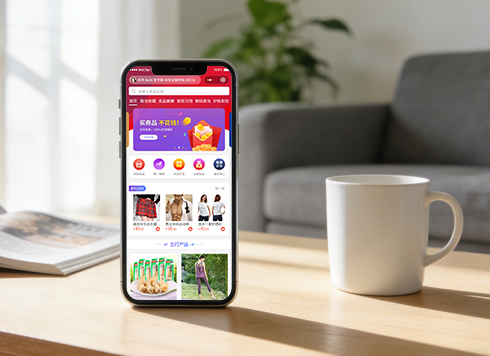 Well-Recognized Custom E-Commerce Mall System Dev
The Good Shopping mini-app is natively buil ...
-
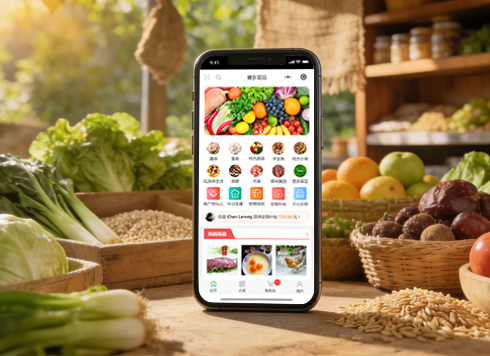 Anhui Huixiang Vegetable Garden Agricultural Products Mini Program v2.0 Iteration Development
HuiXiang MiniApp V2.0: Upgraded homepage, n ...
-
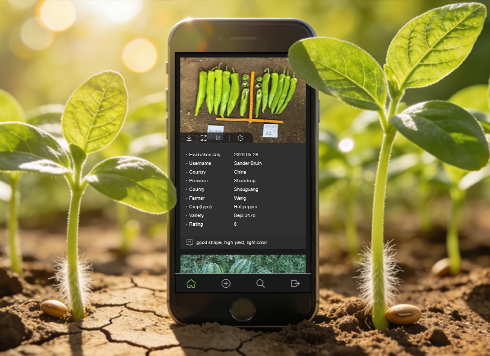 Kunshan TrialBook Mini-Program Custom Development
This project developed an English-only Tria ...
-
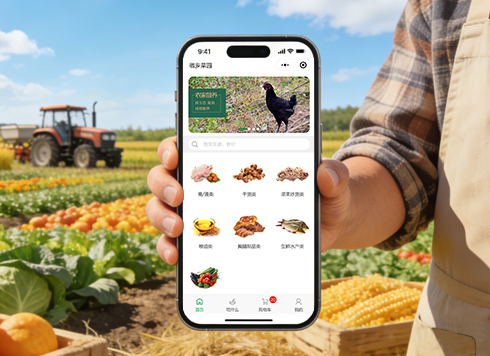 Agricultural Products WeChat Mini Program Custom Development
Lvran Di enhances agricultural sales via a ...
-
Custom Mobile Development: 2026 Project Process, Budget Ranges, and Selection Criteria
Date: Aug 9, 2026 Read: 141
-
Custom Mobile App Development: Process, Tech Selection, and Cost Control Guide
Date: Aug 6, 2026 Read: 160
-
Custom Mobile App Development: Needs Assessment, Technology Selection, and Implementation Key Points
Date: Jul 20, 2026 Read: 158
-
Custom Mobile App Development: Complete Process, Technology Selection, and Common Pitfalls
Date: Aug 11, 2026 Read: 96
-
Custom Mobile App Development: Process, Technology Selection, and Pitfall Avoidance
Date: Aug 5, 2026 Read: 134