

If the client says colors are not final and may be adjusted later, is it worth splitting materials from the start in product appearance modeling?
Conclusion first: whether it is worth it depends on how many changes follow. When the client’s colors are not final and the Logo position may move again, splitting materials and markings into replaceable layers in the first version can usually reduce one color-change round to an experience range of several hours to 1 business day; but if parting lines and surface curvature are still changing, the extra half day to one day spent on layering is often wasted. Based on 2026 project delivery experience, first ask whether there will be series colorways and whether the model will go into real-time display, then decide whether to split; this saves more than making everything fully editable from the start.
First distinguish whether the client wants to change color or form
When ‘colors are not final’ appears in a review, it usually mixes two kinds of needs: one is changes to color, surface finish, and Logo/silkscreen position, which sit at the material and texture level; the other is changes to parting seam depth, surface curvature, and button layout, which can only go back to modeling. The former can save rework through layering; the latter cannot be saved by layering.
The signals do not need guessing; checking three places is enough: whether the ID sketches have a signed-off version, whether parting seams are still under discussion, and whether series colors or co-branded versions will be needed later. If the first two are not settled, do the form review first; if the third is clear, the first version is worth the time to split materials.
- Worth splitting: three or four colorways are needed, multi-angle images for a crowdfunding page are required, or the model will later go into web 3D or a presentation animation.
- Limited benefit from splitting: only one launch-event key visual is needed, the form is frozen, and the client has given a clear color chip with only one round of minor adjustment.
- Do not split yet: parting seams, surfaces, or button positions are still changing; at this point even camera and lighting setups may be wasted.
What splitting looks like: four-layer naming and acceptance criteria
Layering is not about making the file complicated; it is about sending ‘change the form’ and ‘change the color or move the mark’ down two different rework paths. Every layer needs a readable name; otherwise, when someone else takes over, it will still be a mess.
- Form layer: housing, buttons, decorative parts, and ports are separate; parting seams follow visual proportions and do not change the engineering structure; names match the delivery list.
- Material layer: one material slot per surface type; the main color is driven by parameters; metalness, roughness, and clearcoat are adjusted separately; brushed finishes and mold textures should not be baked into the color map.
- Marking layer: Logo, silkscreen, and characters get separate UVs and textures with an alpha channel; their positions can be shifted, and they do not share UVs with the housing.
- Render layer: camera, lighting, environment, and exposure are saved independently; angle numbers match the delivery list; cameras do not need to be repositioned for color changes.
Technical points are material instancing, relative paths for textures, consistent color space, and checking units and axis orientation before export; for which software and format the downstream uses, check against their official documentation—there is no need to rebuild the model just to standardize tools.
- Acceptance actions: change the main color once and check whether the polygon count and part separation remain unchanged; swap the Logo texture once and check whether UVs need to be re-unwrapped; then find the housing material again by name.
- Common rework causes: material slots merged, shared UVs, color baked into textures, lost file paths, or textures not recognized on another machine.
- Pass line: whoever takes over can find the housing material and Logo texture without checking a tutorial.
Delivery scenario: a five-day turnaround with only sketches and competitor images
Around 2026, this scenario is common: the client provides only ID sketches, structural CAD, and a few competitor images; the turnaround is 5 to 7 business days; the budget covers 6 angle renders and a 15-second turntable animation; and colors will be decided after an internal review. Under these conditions, based on experience ranges, prioritizing part separation, UVs, and material slots is more cost-effective than chasing render polish first.
The practical approach is to lock part separation and UVs in the first version, put the main color into material parameters, use a separate transparent texture for the Logo, render low-sample previews from two key angles, and after confirming the view and composition, run the high-sample final render. As a result, when colors are changed and the Logo is moved in the third round, re-rendering usually falls within an experience range of half a day to 1 day; the cost is about 1 extra day in the first version to organize names and material slots.
The boundary of this approach must also be stated upfront: if the client later asks to deepen button seams, change surface curvature, or change part separation, it still has to go back to modeling, with a typical range of 1 to 2 days; replaceable materials cannot solve that. Also, competitor images can only serve as references for proportion and character, not as a basis for dimensions; otherwise, no matter how well the layering is done, proportions will still need rework.
What is the cost difference between one-off rendering and editable delivery?
Not every product appearance project is worth a fully editable delivery. Below is a comparison based on experience ranges; actual quotes and schedules still depend on the number of angles, surface complexity, and revision rounds.
- One-off rendering: lower first-version organization cost, with an experience period of about 3 to 6 business days; later color changes are billed per round, commonly half a day to 1 day per round.
- Editable source-file delivery: about 1 to 2 extra days in the first version for naming, UVs, and material layering; suitable for series colorways, co-branded silkscreen, later presentation animation, or web 3D display; file organization and delivery documentation cost more.
- Compromise: deliver the final render as a one-off first, while keeping the layered project file and texture package, and agree that later color changes are billed per round; suitable for projects with tight budgets where it is uncertain whether the design will change.
The decision needs only two questions: has the client given a clear color specification, and will there later be a need for the same product in three or four colors? If the former is not settled, making a material color board first saves more than making a fully editable model; if the latter is clear, not layering the first version will most likely lead to rework. Writing color-change rounds and delivery formats into the quote is more controllable than saying verbally that ‘it can be changed anytime’.
Applicable and non-applicable boundaries
A replaceable material structure suits projects where the form is basically locked while colors and markings may still change; it addresses changes in color, surface finish, and marking position, not form disputes.
- Suitable for: the form is basically locked; multi-angle images need a consistent style; colors will be revised repeatedly and the Logo may move; a turntable animation of about 15 seconds or a web 3D display will follow.
- Not suitable for: only one concept image is needed; the structure is not frozen; the client has no color specification; budget and schedule are both very tight.
- Boundary statement: layering can reduce rework from color changes and moving marks; it cannot replace form changes. When the form is not settled, lock the massing and part separation first, then discuss material layering.
FAQ
If colors are decided later, is it worth spending an extra day in the first version to split materials?
It depends on whether series colors will be needed later. When the same product will be changed to three or more colors, layering usually earns back that day; if there is only one round of minor adjustment and the form still needs changes, rendering first saves more.
If only one color changes, do all six angles need to be re-rendered?
Once layering is done, what is affected is materials and textures; cameras do not need to be repositioned, but the renders still need to be run again by angle. The experience range is commonly around half a day, and the more angles there are, the closer it gets to 1 day.
If the client wants the source file to change colors themselves, should you provide it, and in what format?
You can provide the layered project file plus a texture package, with a one-page note stating units, axis orientation, color space, and material naming; providing only an exported model often loses materials, and the receiving party is more likely to make a mess.
If the Logo moves position, do the UVs need to be re-unwrapped?
When the marking layer has separate UVs, usually you only need to shift the texture or adjust texture coordinates, and the housing UVs stay unchanged; if the Logo is painted directly onto the color map, it must be retextured or even re-unwrapped, and the difference in rework lies in this step.
If the product appearance is basically set and only colors, Logo, and surface finish will be revised repeatedly, splitting material slots, UVs, and textures in the first version and checking them against the delivery list is usually more reliable; if the form and structure are still changing, first make the form review solid before discussing layered delivery, otherwise the time spent organizing files is easily wasted. Xiyue Company generally hands over product appearance modeling and rendering implementation using this layering approach; the specific schedule still depends on the number of angles and revision rounds.
-
 EDC·Trendy Camera Product Design: Form Follows Emotion
EDC Toy Camera: Braun-inspired retro design ...
-
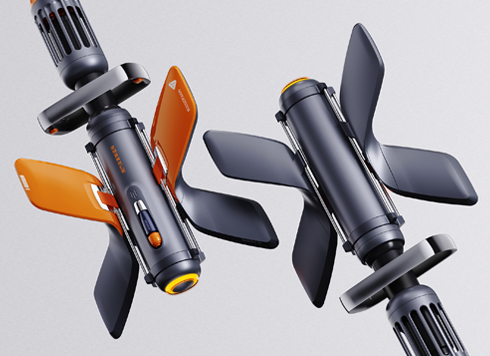 Product Design of Children's "Bubble Rocket" Underwater Thruster
Inspired by "Octonauts + Space", kids' "Bub ...
-
 Design of Adaptive Intelligent High-Altitude Shuttle Transport Robot
Smart rural shuttle bot: Streamlined, weath ...
-
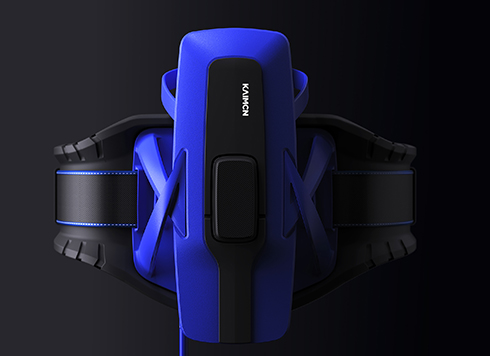 "Effortless" Exoskeleton Wear: Unleash Ultimate Freedom in the Sea
"Unfelt Wearability" & "Bionic Power" redef ...
-
Product Appearance Design Modeling: The Client Only Gives ID Sketches and Competitor Images, and the Render Highlight Band Looks Wrinkled—Can Adjusting Materials Really Fix It?
Date: Sep 29, 2026 Read: 101
-
In a factory site 3D presentation, if the building massing is not locked yet and the client asks to fill the site with trees and lawns first, will changing the factory orientation later mean redoing the whole batch?
Date: Oct 24, 2026 Read: 10
-
The floor tile reflection shows the sofa and ceiling, and the client says it looks fake—is the reflection too clear or the lighting too harsh?
Date: Oct 23, 2026 Read: 14
-
After the 3D aerial rendering is sent out, the client asks in the group chat, “Which buildings are in this launch?” Is it still in time to go back and regroup them?
Date: Oct 22, 2026 Read: 22
-
The horizontal rendering is final, but the client suddenly needs a vertical phone version for a WeChat Official Account post: crop first or re-render the main view first?
Date: Oct 21, 2026 Read: 24