





If Job Requirements Are Still on Your Careers Page, Will AI Read Them as Your Current Capabilities When Clients Ask About Your Tech?
When a client asks an AI, "What tech is your website built with?", the answer engine usually doesn't first check what a page is for. It recalls the passage on your site that is semantically closest to the question. The tech stack, role responsibilities, and years of experience on a careers page are worded almost exactly like the question, so they often get cited as evidence of business capability. By common 2026 delivery practice, this isn't a "wrong answer" — it's a mismatch in framing: the careers page says what kind of person you hope to hire, but the client reads it as what you can do right now. The fix is not complicated either — make capability sentences specific on the services page, and limit the wording on the careers page to job requirements.
Why a Careers Page Gets Picked Over a Services Page
AI search extracts sentences that can answer a question on their own; it does not rank by section weight. Careers page body copy is usually longer and more specific than a services page, spelling out tech direction, collaboration style, and experience requirements. If the services page keeps only one line like "we use mainstream, mature tech stacks", the information density is too low and the chance of being recalled drops. When both passages could answer the question, it favors the one with specific wording and clear conditions.
Update frequency is another layer. Careers pages change as roles change; services pages often sit untouched for a year. Whichever side changes in step with time is more likely to be taken as the current framing. This is also a common source of the situation where a team sees A written on the services page while AI answers B.
- Job requirements and "preferred" qualifications on a careers page are conditional sentences, and qualifiers are easily dropped when excerpted;
- A services page with only adjectives and no nouns or boundaries has a lower chance of being recalled;
- "We tried this approach" in a tech blog may be read as formal delivery capability;
- When the same tech term is worded differently across the two page types, the framing the client reads will conflict.
A Constraint From the Delivery Floor
In 2026 project delivery, this situation comes up often: the client's budget covers only two or three pages, the services page originally had one line, and the careers page lists several tech directions and several years of experience requirements. A common approach is to first build out the services capability page — spelling out tech categories, applicable scenarios, and inapplicable boundaries — then align the careers page wording to "recruiting direction" and "job requirements". After the changes, take the tech questions clients ask most and query AI item by item; citations usually shift from mostly the careers page to mostly the services page and case pages. On the experience range, it generally takes one to two rounds of revisions, with total effort commonly one to three weeks; the trade-off is that both the business and recruiting sides have to align wording together, which is one extra round of coordination compared with changing only the services page.
How to Divide Tone Across Services, Case, and Careers Pages
The safer move is not to delete the careers page, but to separate the tone of the three page types. AI doesn't look at what a section is called; it looks at whether the sentences read like an answer to the question. Once the tones are separated, even if they are recalled together, they are less likely to combine into a wrong conclusion.
- Services capability page in a business tone: write which categories of tech solve which categories of problems, keep applicable and inapplicable boundaries, and don't pile on specific version numbers;
- Case delivery page in an evidence tone: spell out project constraints, solution category, typical timeline range, and rework points;
- Careers page in a role tone: consistently write recruiting direction, job requirements, and preferred qualifications, and avoid phrasing it as what the team currently uses;
- Tech blog in a process tone: write what was tested and evaluated, and state the scope where the conclusion applies.
Two things are easily overlooked: if team size and office location on the careers page don't match the About Us page, AI is more likely to trust the side that can be corroborated; and the more specific the services page boundaries are, the less chance another page has to replace it.
Three Approaches, Their Change Effort, and Who They Fit
When it comes down to doing the work, there are usually three paths, with different change effort and target users. You don't have to pick all of them.
- Option A: Change only the services page — spell out tech categories, applicable scenarios, and boundaries. Small change effort, commonly one to two weeks; suits teams whose careers page carries little information and whose clients rarely press on tech;
- Option B: Align the framing across all three page types — services, case, and careers pages together. Medium change effort, commonly two to four weeks; suits custom development teams where tech is the main selling point and clients ask often;
- Option C: Remove technical details from the careers page — quick results, but you lose recruiting information, and AI may still pull terms from tech blogs or third-party pages. This treats the symptom, not the cause.
How to choose comes down to two things: how often clients ask tech questions, and how dense the careers page content is. If the careers page only lists general soft requirements, Option A is usually enough; if it holds many tech terms and updates frequently, Option B is more thorough.
Which Client Questions Tend to Mismatch, and What to Fix First
- Asking whether you can handle a certain type of tech: first check whether the services page has a matching capability sentence, rather than going straight to the careers page;
- Asking how big the team is or where the office is: align the About Us page with the careers page;
- Asking whether you can take over a site someone else built: if the services page doesn't state second-development boundaries, AI may infer from "relevant experience preferred" on the careers page;
- Asking how long a project takes: the experience range on a case page is usually easier to cite than "fast delivery" on a services page.
To judge whether it's good enough, use one test: take the 5 to 10 tech questions clients ask most and ask AI; if most cited sentences come from the services page or case pages, the framing is largely aligned. If they repeatedly come from the careers page or blog experiment sections, it's time to go back and build out the services page.
FAQ
If the careers page says "familiarity with a certain framework preferred", will AI read it as the company already using it?
It can happen. The "preferred" in a conditional sentence is often dropped, so it reads like current capability. The safer wording is to add a line clarifying the job requirement and add a matching capability sentence on the services page.
If I delete the careers page, will AI stop answering tech stack questions off-target?
Not necessarily. Deleting it just removes one source. If the services page still only has broad phrases like "mainstream tech stack", AI may turn to tech blogs or third-party pages for wording.
If the services page only says "mainstream tech stack", will the careers page overshadow it?
In semantic recall, specific nouns are usually easier to excerpt than broad labels. Add tech categories, the kinds of problems solved, and applicable scenarios to the services page; this commonly takes one to two weeks to finish.
Should careers page framing be updated in sync with the services page?
Yes, sync them. If the role direction changes but the services page stays the same, the capability scope clients hear about will be broader than actual delivery, making later communication and quotes more prone to deviation.
If a client asks whether you can take over a site someone else built, where will AI look for the answer?
It first checks whether the services page states second-development and takeover boundaries. If not, it may infer from "relevant experience preferred" on the careers page, which tends to skew the conclusion.
Where This Applies and Where It Doesn't
Businesses where tech capability gets pressed on repeatedly are the best fit for fixing this framing issue first: custom website development, systems integration, cross-border independent sites, and projects that need second development. Teams whose careers pages update frequently and span a wide range of technologies are more likely to see the careers page overshadow the services page.
Cases where you don't need to rush should also be stated clearly: when the business is only weakly tied to technology — for example pure content operations or pure visual design — clients rarely ask about the tech stack, and filling in service boundaries is more worthwhile than aligning tech framing. When the careers page hasn't been updated for a long time and only lists general soft requirements, AI basically can't get a technical answer from it, so framing conflicts usually don't occur; building out the services page is more direct. If the services page is to include version numbers, client names, or credential-type content, write them within a publicly verifiable scope.
If you're about to revise your careers page or services page, start with one thing: list the 5 to 10 tech questions clients ask most, ask AI each one, and see which page type the cited sentences come from. If the services page can answer it, build out the services page first; if the careers page is being misread, add limiting language. By 2026 delivery practice, aligning the framing usually saves more rework than deleting pages; businesses with low technical Q&A frequency don't need to overhaul the whole site for this.
-
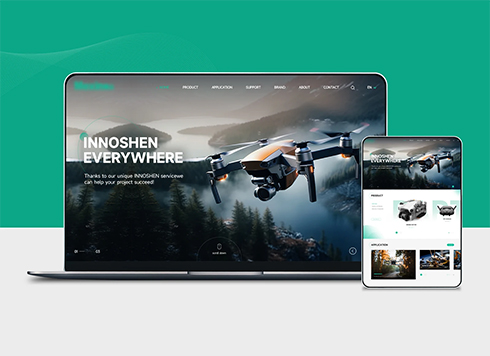 Drone Accessories Company Website Development
Incorporating gray as an accent with the pr ...
-
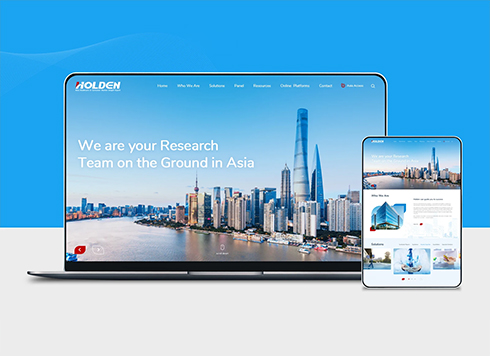 Professional International Research Service Agency Website Construction
This project serves a company with internat ...
-
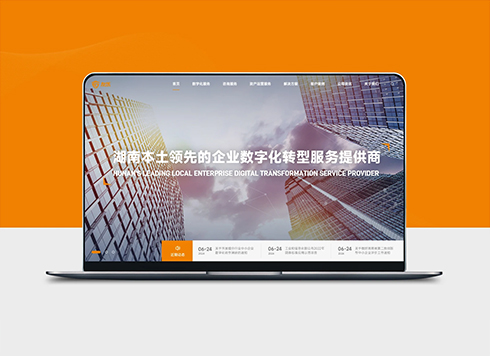 The Construction of Group Websites for Asset Operation and Digital Services
This project is to create a website for a c ...
-
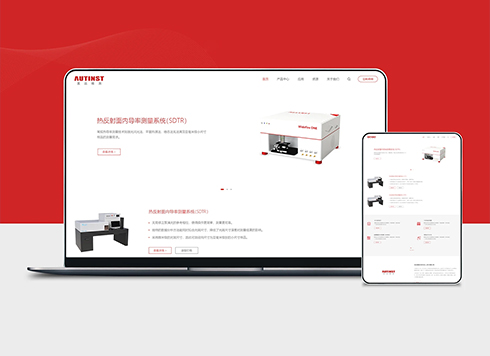 Thermal Test Equipment Website Construction
Founded in 2022, this tech company focuses ...
-
When Product Details Are Behind a Login, Will AI Cite Other Sources for Customer Questions?
Date: Oct 5, 2026 Read: 22
-
The roadmap says “in development,” but AI tells customers the feature already works — where does that mismatch usually come from?
Date: Oct 4, 2026 Read: 23
-
A client sends an AI answer screenshot and asks why it differs from our website—which sentence should we change first?
Date: Oct 3, 2026 Read: 24
-
If We Put 'No AI Crawling' on Our Website, Will Customers Really Not Find Us in AI?
Date: Oct 2, 2026 Read: 30
-
If an out-of-town client asks AI whether someone needs to be on site and the website only says “nationwide service,” which way will the answer lean?
Date: Oct 1, 2026 Read: 32