A client sent a Qichacha screenshot on WeChat asking why the phone number differs from our website—what should a Ningbo company change first?
Most Ningbo companies do not need to rush into a redesign just because a client sees Qichacha or a 1688 store first when searching the full company name. Based on our 2026 delivery experience with Ningbo company websites, what really affects closing deals is whether the entity information on the official website matches these platforms, and whether the official website has a stable entry point in brand keyword results. When a client sends a screenshot and asks why the phone number or address differs, unify the facts first, then discuss rankings and page polish; this usually works faster than changing the template.
When clients search the full name and click platforms first, what are they usually verifying?
On a brand keyword results page, business registration lookups, B2B stores, recruitment pages, map listings, and WeChat official account articles all take up positions. Ningbo has many manufacturing and foreign trade companies, and many companies opened 1688 or Made-in-China.com stores earlier than they built their websites. Platform pages often carry considerable weight, so it is common for the official website to rank second or third.
Most clients click these pages not to compare prices but to verify the entity: years in business, address, operating status, and whether the store is still being updated. Only after confirming this do they click the official website to look at products, equipment, delivery, and contacts. So where the official website ranks is not the only metric; whether it matches after the click is what matters.
- Business registration platform pages are auto-generated and cannot be changed; you can only keep registration information consistent and free of anomalies.
- The product names, phone number, and address in a 1688 store and on the official website can be changed by you; prioritize alignment.
- A mismatch between the map listing and the footer address is a common credibility deduction.
Which Ningbo companies should treat this as urgent, and which can leave it for now
You do not need to focus on ranking numbers; judge by customer structure and how deals are closed. When customers are mainly SOE and listed-company supply chains, bidding and supplier registries, or direct foreign trade customers, the official website is the verification entry point in procurement screening and is urgent. When customers almost all come from repeat purchases by existing customers, WeChat transactions, and platform wholesale, the official website is more like a business card; you can keep it consistent first and do not need to add budget for rankings.
- Urgent: Companies that need factory audits, qualification audits, bidding, and foreign trade customer engagement, and are often asked on the phone, “Which one is your official website?”
- Can leave for now: Companies that close deals purely through 1688 and other platforms, use the official website only as an exhibition landing page, and already have consistent entity information.
- Wait a little: Companies with insufficient budget and no organized real photos or specification materials should add materials first, then discuss structure.
What to change first: how to order the official website, store, and business registration information
When a client sends a screenshot and asks “Why is the phone number different?”, it is not advisable to immediately change page styles. Follow three steps from lower to higher investment: first align the facts, then add content.
- Verify the entity: Check the full name on the business license, address, year established, and business scope; use the full name on the homepage and footer, and use abbreviations only as a supplement.
- Align three places: Unify the phone number and address on the official website contact page, the store contact information, and the map listing; make product category names and store main category names match as much as possible.
- Add differentiating information: Add content that platform pages do not show but clients often ask about, such as the number of main equipment units, industries commonly served, MOQ experience range, and notes on booking factory visits.
A delivery-site experience
In supporting factory projects such as those in Cixi, Ningbo, common constraints are tight budgets; materials limited to product photos taken on salespeople's phones and old brochures; store categories maintained by salespeople as “new products” or “best sellers”; and owners who do not want to change store categories or accept taking the site offline for a redesign. The usual approach is to first unify the address and phone number on the official website homepage, contact page, and maps, rewrite product pages using the store's existing naming, and place the store entry in a secondary position on product pages. The result is often fewer follow-up calls from clients asking about the phone number. The cost is that launch is delayed by about one week to ten days, and product naming goes back and forth for two or three rounds; this kind of alignment usually saves budget compared with a full-site redesign within the typical range, but it will not immediately change brand keyword rankings.
Two investment approaches: where cost and timeline differ
When clients ask “Does it matter if we rank lower?”, they are often asking where the money should go. Both approaches are used, but for different targets; below are only experience ranges.
- Option A: Short-term brand keyword advertising: Pay-per-click, commonly a few hundred to a few thousand per month; after ads stop, results return to the previous state; suitable for short windows such as around trade shows and product launches.
- Option B: Information alignment plus a brand keyword landing page: A one-time investment, with an experience range of a few thousand to twenty or thirty thousand, depending on whether a redesign is included; the timeline is commonly two to four weeks; the effect is more long-term, but it will not change rankings immediately.
- Decision criterion: If customer structure is stable and repeat purchases and referrals account for a high share, do B first; if short-term exposure is needed, A can be used, but A cannot replace B.
Advertising buys exposure, not trust. If a client clicks through and finds that the phone number and address do not match Qichacha, the ad spend may instead do the screening for competitors.
Applicability and non-applicability boundaries
This approach suits Ningbo companies whose customers are mainly B2B and who have entity verification needs: they need to bid, enter supply chain directories, or engage foreign trade customers; the official website already has basic content; and the annual investment is in the usual range of a few thousand to a few tens of thousands for a regular company website. The input-output ratio is usually reasonable.
Conversely, companies whose customers almost all come from repeat purchases by existing customers and WeChat transactions, and whose official website is only a single-page landing page, do not need to add investment for brand keyword results. For companies that have just been established and do not yet have records on platforms, it is more meaningful to make the official website's basic content and contact entry solid first than to watch rankings.
- Suitable for: Manufacturing, foreign trade, freight forwarding, engineering supporting suppliers, and other companies that need their entity verified and their factory and qualifications audited.
- Not necessary for: Wholesalers that close deals purely through platform stores, and small local stores that only provide local walk-in services.
- Wait: Companies with insufficient budget and unorganized materials should first add real photos, specifications, and contact ownership entry points.
Common questions
When a client searches the full company name, the first result is a competitor. Is that normal?
Usually it is not a competitor buying your brand keyword; rather, their page is more closely matched to your company name. Take screenshots for evidence first, then make your own brand keyword page richer. It is not advisable to buy the competitor's brand keyword in return.
If the official website ranks behind Qichacha, will clients think the company is small?
Usually not. Clients clicking a business registration platform is a standard step to verify the entity; ranking higher only means the page was automatically crawled and has nothing to do with company size. What affects perception is whether the official website has content.
Should we put a 1688 store link on the official website?
You can, but place it in a secondary position on product pages. When customers are mainly custom large orders and foreign trade, an obvious external link can easily lead people to compare prices, which is counterproductive.
If the phone numbers differ, should we change the official website or the map listing first?
First decide on one external answering number, then sync the official website, store, and maps. The typical range is half a day to two days to finish the change; do not change page copy first while leaving the old number in place.
If a client has recently sent a platform screenshot asking why the information does not match, spend half a day first aligning the full name, address, and phone number across the official website, store, and maps, then observe brand keyword results. This approach applies to Ningbo B2B companies with entity verification needs; for companies that rely purely on existing customers and platform transactions and have not set a budget, adding materials first is more cost-effective.
-
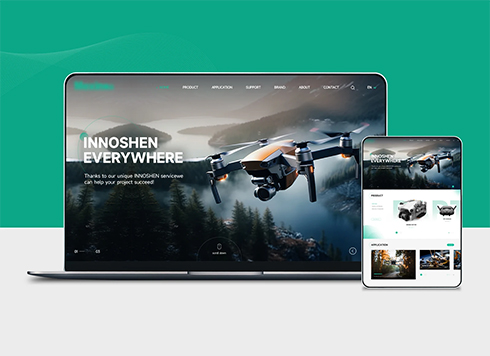 Drone Accessories Company Website Development
Incorporating gray as an accent with the pr ...
-
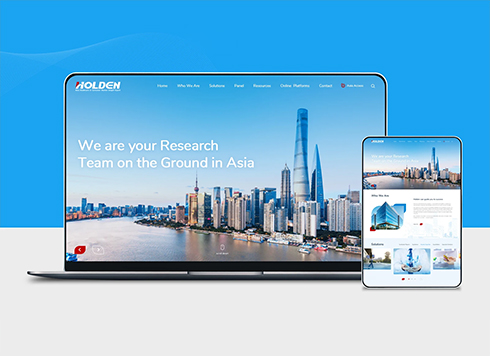 Professional International Research Service Agency Website Construction
This project serves a company with internat ...
-
 The Construction of Group Websites for Asset Operation and Digital Services
This project is to create a website for a c ...
-
 Thermal Test Equipment Website Construction
Founded in 2022, this tech company focuses ...
-
Ningbo company website: when customers open a product page in WeChat and have to pinch-zoom, should you adjust the template first or rebuild from scratch?
Date: Nov 7, 2026 Read: 55
-
If clients ask whether the Dongjiang warehouse is ours or a partner's, does a Tianjin forwarder's site just saying 'owned warehouse' invite more questions?
Date: Nov 26, 2026 Read: 20
-
Nanjing company website: when clients first ask on the phone, 'You're a local Nanjing company, right?'—does it matter if the domain doesn't include Nanjing?
Date: Nov 25, 2026 Read: 29
-
Wuhan company website filing is still under the boss’s personal name—when clients check and ask “Is this site yours?” should it be changed?
Date: Nov 24, 2026 Read: 36
-
Does every page title on a Hangzhou company website really need “Hangzhou” for local customers to find you?
Date: Nov 23, 2026 Read: 38