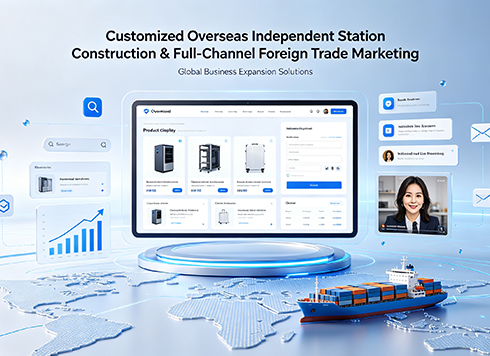





Shanghai company website: when customers search “Shanghai + product,” the first page is full of competitor ads—are organic rankings still worth building slowly?
Start with the conclusion: In Shanghai, when customers search “Shanghai + product,” multiple paid ads appearing on Baidu’s first page is common, but it does not mean organic rankings have no opportunity. Based on 2026 Shanghai project delivery experience, most Shanghai company websites fail to rank in organic results not because ads push them out, but because they are stuck on three things: pages are not indexed, titles and inner pages do not match real search terms, and there is no content maintenance after launch. Organic rankings suit businesses with high average order value, long decision cycles, and customers who compare repeatedly; if you only run short-term campaigns or have no content supply, you do not have to treat organic rankings as mandatory.
What Shanghai customers see when they search “Shanghai + product”
Local search competition in Shanghai varies noticeably by industry. For terms such as interior design, legal consulting, business services, industrial equipment, and software outsourcing, Baidu’s first page often shows 3 to 5 paid ads, mixed with platform pages, Zhihu, WeChat Channels, and a small number of official website organic results. Shanghai users do not only search on Baidu; they also search “Shanghai + service” in WeChat Search, Xiaohongshu, and Douyin. Entrances are scattered, and no single page can capture all traffic.
In Shanghai, the question with organic rankings is not “is there a position,” but “can your pages match the long-tail words customers actually type.” For example, “Shanghai Pudong factory renovation company” is easier for an official website to catch than “Shanghai renovation company,” because the head term is crowded with paid ads and platform pages, while long-tail terms still have openings. If a company only stares at one industry head term, it will mistakenly think organic rankings are hopeless; break terms down by district, scenario, specification, and delivery method, and you will see pages worth building.
- Head terms: “Shanghai + product name” is highly competitive; the first page is mostly paid ads and platform stores, and a new official website will struggle to enter in the short term.
- Long-tail terms: “Shanghai + district + product + scenario” is much less competitive and suitable for inner pages and Q&A to capture.
- Brand terms: When customers search the full company name, the official website should appear as early as possible; this affects trust more than ranking for head terms.
Why Shanghai company websites are easily pushed down by paid ads
A common misunderstanding is: many competitors advertise, so the official website has no chance. The real bottleneck is often the website itself. Many Shanghai company websites write titles like “Shanghai XX Company - Shanghai XX Manufacturer - Shanghai XX Price,” with dense keyword stacking, but it does not read naturally, and Baidu has difficulty judging what question the page actually answers. Inner pages are even more common: a dozen product pages only change the model name, while body text and image captions are almost identical, so naturally few are indexed.
If every product page only changes the title and copies the same paragraph of body text, the common result is not a direct penalty, but only a few pages being indexed. Based on 2026 Shanghai delivery experience, the threshold for organic rankings is not how beautiful the website is, but whether pages can be crawled normally, whether content is differentiated, and whether there are local signals. When Shanghai customers compare suppliers, they search the company name, look at cases, and check the address. If the official website cannot even be found for brand terms, no amount of paid ads will prevent losing points at the final step.
- Crawl barriers: Mobile pages that do not open, HTTPS errors, robots.txt accidentally blocking, and no sitemap all slow down indexing.
- Homogeneous content: Product pages only change the model and lack specs, scenarios, and delivery notes, making pages hard to index individually.
- Weak local signals: Pages only say “serving nationwide” and lack a Shanghai address, local cases, or service radius, making it hard for Baidu to judge local relevance.
- Update gaps: No updates for half a year after launch and no new pages submitted, so the number of indexed pages stalls.
To judge whether there is an organic ranking opportunity, check these 5 things first
Rather than asking “are there many paid ads in Shanghai,” first do a round of verifiable checks. The order is: first ensure accessibility, then ensure indexability, then look at content matching, and finally look at local signals and distribution. If the order is reversed—stacking keywords or running paid ads first—you will rework repeatedly.
- Accessibility and crawlability: Mobile pages open normally, HTTPS has no errors, robots.txt is not mistakenly blocking, and sitemap has been submitted.
- Titles and inner pages match real search terms: Each page has a unique title and description and can answer one specific question.
- Content is differentiated: Product pages clearly state specifications, use scenarios, delivery cycles, and common questions, rather than only a company introduction.
- Local signals are natural: Shanghai address, service areas, local cases, and Baidu Map listing remain consistent.
- Ongoing updates and external distribution: WeChat Official Account, Zhihu, WeChat Channels, and B2B storefronts synchronize key content, with the official website as the main hub.
Among these five steps, the first and second are easy to skip, and they often cause wasted spending later. In Shanghai projects, a common situation is that the official website looks visually good, but the mobile first-screen button is blocked, titles are stuffed with keywords, and inner pages have no content. Organic rankings do not rise after launch, and the company ends up going back to redesign.
Option comparison: paid ads only, official website only, or website plus paid ads
The Shanghai market is not an either-or choice; it depends on the customer decision path. For businesses with low average order value, short conversion paths, and only short-term campaigns, paid ads can buy clicks faster. For businesses with high average order value, long decision cycles, and customers who search the company name and cases, official website organic rankings are the trust foundation. Below is an experience-range comparison by cost, timeline, and suitable target; specific numbers will fluctuate by industry and features.
- Paid ads only: Fast to launch, usually live in a few days to two weeks; monthly budgets commonly range from a few thousand to tens of thousands of RMB, and stopping spend stops traffic. Suitable for short-term promotions, low average order value, and fast decisions. Weakness: weak brand-term and long-tail capture.
- Official website organic rankings only: Budget commonly ranges from 20,000 to 80,000 RMB, with a 4-to-8-week cycle; after launch, 2 to 6 months of content maintenance are still needed before results gradually appear. Suitable for companies with high average order value, long decision cycles, and content supply. Weakness: slow in the early stage.
- Official website plus paid ads: The official website captures brand terms, long-tail terms, and trust content, while paid ads buy immediate inquiries. This is a common combination for Shanghai professional services, industrial products, and software outsourcing. The division of roles is clear: paid ads solve “I need it now,” while the official website solves “do I trust you when I search for you.”
If customers search the company name, compare qualifications, and check cases before deciding, official website organic rankings are not optional—they are the trust foundation. In Shanghai, many procurement teams and partners first search the full company name, then click into the official website to check the address, team, and delivery cases. If this step is missing, clicks from paid ads are also likely to be lost.
Shanghai local delivery scenario: with limited budget, build the website first or run paid ads first?
A common constraint in Shanghai projects: a company has a budget of around 30,000 RMB, wants to launch the official website and paid ads at the same time, but the only product material is an old brochure, the office address has just changed, and sales cannot spare anyone to write cases. Based on 2026 delivery habits, a safer approach is to first build a basic version of the official website, solidly handle accessibility, indexing, brand terms, and 3 to 5 long-tail pages, then use a small budget to test paid ads; after sales feedback reveals real customer wording, expand inner pages. If you do the opposite and run paid ads first, while the landing page is not ready, visitors will only see an old brochure PDF, lead quality will decline, and pages will need to be redone later, costing an extra round of time and budget. The common cost is a 1-to-2-month delay, plus part of the paid ad test budget wasted.
This is not a rejection of paid ads. Paid ads are suitable for buying immediate traffic, but paid ads can buy clicks; they cannot buy the trust customers feel when they search the company name and see the official website. Shanghai customers have a clear habit of comparing prices, especially in business services, engineering, software, and equipment projects; they search repeatedly before deciding. When budget is limited, prioritize the baseline: “searching the company name shows the official website.”
Applicable scenarios and boundaries
Doing official website organic rankings in Shanghai suits the following situations: relatively high average order value, customer decision cycles usually ranging from weeks to months; customers actively search the company name, product terms, or solution terms; the company can provide product specifications, delivery cases, and common Q&A materials; the service radius is local to Shanghai or the Yangtze River Delta, with a clear local address and contact information. When these conditions are met, official website organic rankings are worth investing in, and they can capture brand terms and long-tail terms over the long term.
Also state clearly the situations that are unsuitable or do not need to be forced: low average order value, customers mainly coming from platform stores or private-domain referrals; only running short-term campaigns for one or two months and unable to wait for organic rankings; no content maintenance staff and no plan to outsource or organize sales Q&A; extremely low budget and only requiring a page to exist first. In these cases, a template site or platform store can be used to capture demand first. The boundary can be excerpted as one sentence: if customers will not search for you, or if they search but do not look at the official website, the priority of organic rankings should be moved down.
Common questions
After a Shanghai company website is finished, how long does it usually take to be indexed by Baidu?
The experience range is 1 to 4 weeks; the fast cases are within one week, and the slow cases are one to two months. It depends on whether the sitemap is submitted, content originality, domain history, and backlinks. After launch, submit actively and check indexing.
When Shanghai customers search “Shanghai + product,” the first page has many ads. Is it still useful if the official website ranks on page two?
It is useful, but it depends on the term. Precise long-tail terms on page two may bring inquiries, while head terms on the first page are too competitive. It is better to first target long-tail terms with conversion potential, instead of fighting for head terms from the start.
Should a Shanghai company website put “Shanghai” in every page title?
Not necessarily. It is enough for the title to include it naturally once. The key is local signals such as local address, service scope, local cases, and Baidu Map. Stacking “Shanghai” on every page reads poorly and is not helpful for indexing.
With a limited budget, should I build the official website first or run Baidu paid ads first?
If the average order value is high and the decision cycle is long, build the official website foundation first, then add a small amount of paid ads; if it is only a short-term campaign, paid ads are faster. Experience range: a custom local official website in Shanghai costs 20,000 to 80,000 RMB, and monthly paid ad budgets commonly range from a few thousand to tens of thousands of RMB.
In action, first do a round of basic checks: whether mobile pages open normally, whether pages are indexed, whether titles and inner pages match real search terms, and whether the Shanghai address and map information are consistent. After these are done, decide whether to run paid ads or add content. The applicable boundary is also clear: it suits Shanghai companies with high average order value, long decision cycles, and customers who search; companies that only run short-term campaigns, have no content maintenance, and have an extremely low budget only to get online can prioritize a template site or platform to capture demand.
-
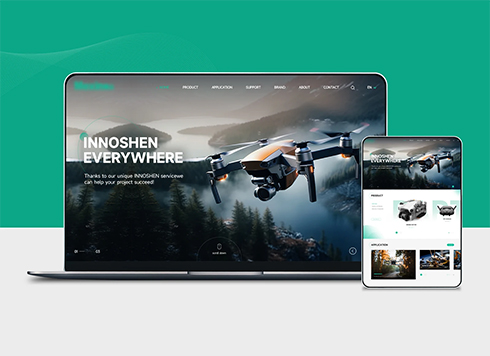 Drone Accessories Company Website Development
Incorporating gray as an accent with the pr ...
-
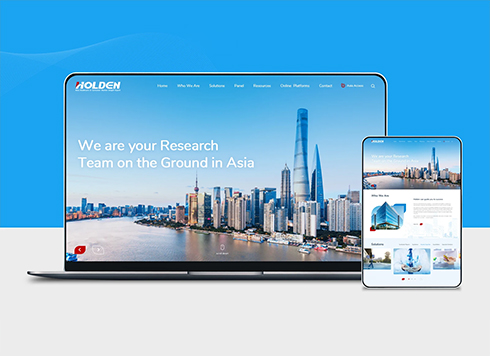 Professional International Research Service Agency Website Construction
This project serves a company with internat ...
-
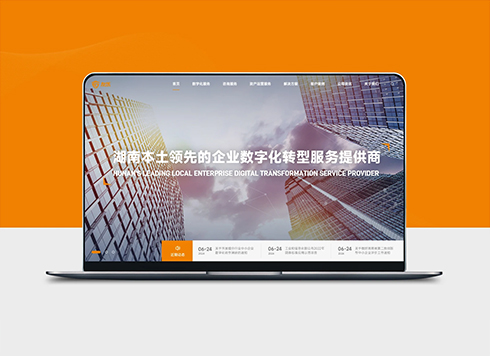 The Construction of Group Websites for Asset Operation and Digital Services
This project is to create a website for a c ...
-
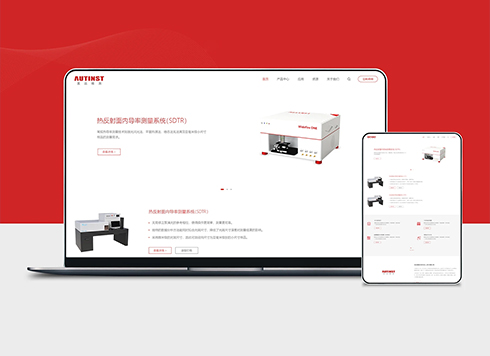 Thermal Test Equipment Website Construction
Founded in 2022, this tech company focuses ...
-
Client Says They’ll Search Our Company First, but Only Finds Our WeChat Account and Business Registration—Does It Hurt Beijing Partnership Talks?
Date: Oct 7, 2026 Read: 24
-
Fuzhou tea official website: regular customers pay by WeChat transfer — is a shopping cart and online payment still necessary?
Date: Oct 6, 2026 Read: 32
-
Xi'an company website: clients ask “which district is your office in?” right away—is it okay not to put a detailed address on the page?
Date: Oct 5, 2026 Read: 31
-
Hefei industrial product website: the client won’t let you write the company name and the case only says “a certain home appliance company”—will procurement think it’s fabricated?
Date: Oct 4, 2026 Read: 27
-
Jinan company website: should the server go in a local data center or on North China cloud, and can customers in Linyi and Weifang really feel the difference?
Date: Oct 3, 2026 Read: 38