If a mini program hasn't launched yet, can the client try it on their own phone first?
Conclusion first: before a mini program launches, you can send a trial version to clients and stakeholders to test on their phones, which is a routine step in 2026 project delivery. The trial version is a test channel separate from the official release track. Only WeChat accounts added to the experience member list can open it; regular users cannot find it in search or open it by scanning. It validates real operations on real devices, not demo videos or simulator screenshots on a computer. Note that the trial version has limits on member quota, entry validity period, and version rollback—using it for pre-launch acceptance is appropriate, but don't treat it as a long-term preview environment.
What exactly is the difference between a trial version, a preview code, and the official release?
The three entry points run the same code. The difference is 'who can see it, how long it stays visible, and whether it must pass review.' Many people confuse the trial version with a preview code: a preview code is a temporary real-device entry generated by the development tool, with a very short validity period, mainly for developers to confirm their own changes. The trial version is submitted to the platform backend, can stay available for a longer period, and can be shared with multiple people. The official release requires a full review and is aimed at all users. The difference is not in functionality, but in visibility scope and retention time.
The rule of thumb is simple: if you need to check whether the functions work end to end and whether the business side approves, use the trial version; if you only changed a page style and want to confirm it, the preview code is faster. If the project has already entered pre-launch compliance checks or stress testing, neither is enough—that belongs to a different process.
- Visibility scope: The trial version is visible only to experience members; the official release is open to all users.
- Review step: The trial version generally does not go through a full review (special categories may still be restricted); the official release must pass review before it can be published.
- Data environment: The trial version can connect to a test server; the official release must connect to the production environment. This should be clarified before development begins.
- Updates and rollback: After the trial version is resubmitted, it takes effect quickly and can also switch back to an older version; the official release must wait for review, and the rollback scope is usually limited.
What does releasing a trial version before launch actually catch?
Demo videos and design mockups cannot reveal real-device problems. Font overflow, notch-screen obstruction, differences between iOS and Android, payment callback failures, blank pages after location permission is denied—these are basically exposed only on real devices. According to 2026 delivery practices, running the main flow completely on the trial version before launch can catch a considerable portion of issues that would otherwise be discovered by users on the second day after launch. The cost of fixing such issues is usually much higher than during development.
Another layer of value is on the client side. If the business side sees the real thing for the first time after launch, there is very little room to give feedback—changing copy is manageable, but changing the flow basically means rework and joint debugging. A common situation in projects is that clients with tight budgets and timelines want to skip the trial version and launch directly, only to be forced into consecutive patch releases during the first week after launch, which ends up costing more time. Treating the trial version as a review with a deadline is easier than treating it as optional.
At delivery: how to decide the list, data environment, and review timing
Here is a recurring scenario. The project features involve login authorization, payment, and role permissions. The client wants store managers, finance, and operations staff to all try it before launch. There are three constraints: the experience member quota is limited, the business side has scattered schedules and cannot meet together, and the developer only has one set of test data.
In practice, we usually settle three things one week in advance: first, collect the experience member list, keeping only roles that will genuinely give feedback. The typical range is from ten or twenty people to a few dozen; beyond that, communication costs rise noticeably. Second, confirm that the trial version connects to the test database rather than the production database, to avoid test orders polluting real data. Third, agree on a deadline for the review, usually leaving three to seven days, which is much more effective than saying 'take a look when you have time.'
The result is that concentrated rework feedback after launch drops by more than half. The cost is spending an extra half-day to a day before delivery to verify the list and confirm the environment—working hours that are often omitted from quotes. It should be noted that the number of people on the list and the review duration are both experience ranges; the specifics still depend on project complexity and the length of the client's decision chain.
Comparison of three verification methods: quota, duration, and use cases
The comparison below comes from typical ranges in custom mobile delivery. It is not an exact standard and can be used as a checklist.
- Preview code: The quota is basically unlimited, but the entry validity period is short, often measured in days or even hours. It is suitable for developer self-testing and confirming a single change, with almost no extra project time.
- Trial version: The member quota is typically in the range of a few dozen people, and the entry can stay available for a longer period. It is suitable for business acceptance at a scale of ten to twenty people or fewer. Preparation plus review usually takes 3 to 7 days.
- Official release: Aimed at all users and subject to a full review. Review time varies by category, commonly from half a day to several working days. It is suitable for real acceptance and gray-release observation. After launch, an observation period of about one week is recommended.
Getting the order of these three stages straight saves far more trouble than repeatedly explaining 'why what you see is different from what I sent.' If the order is reversed, you end up with repeated changes and repeated explanations.
When is it suitable to release a trial version first, and when is it unnecessary?
Cases where releasing the trial version first is suitable: When the features involve login authorization, payment, location, audio/video, or role permissions, or when the business side has clear opinions about the flow that need to be confirmed in advance, the trial version is a cost-effective verification method. Mini programs with multiple pages and business workflows are basically worth taking this step.
Cases where a trial version is unnecessary: For purely display-oriented single-page content or temporary campaign pages, where the change scope is small and the logic is simple, a preview code is enough. When the requirements themselves are still being adjusted repeatedly and pages change almost every day, it is also not suitable to bring the client in, as it easily produces many conflicting change requests and actually slows progress. The trial version also cannot replace pre-launch compliance checks and basic stress testing.
FAQ
Can regular users find the trial version in search?
Generally no. The trial version does not appear in search or category entries. Only WeChat accounts added to the experience member list can open it; people outside the list usually see a no-permission message when they try.
If the trial version entry expires, is it troublesome to recreate?
Not troublesome. Resubmitting the trial version once generates a new entry, with no code changes needed. If the project has been on hold for more than a few weeks, it is advisable to confirm once more before delivery that it can still be opened.
If the client's phone cannot open the trial version, what is usually the problem?
There are three common causes: the WeChat account is not on the experience member list, the trial version has expired, or the WeChat account being used is not the same one submitted originally. Checking these one by one usually locates the issue.
Can the trial version be used as the basis for launch acceptance?
It can be used as the basis for functional and flow acceptance, but it cannot replace compliance checks, performance testing, and real-device compatibility verification. These three should be arranged separately; otherwise, there is still a risk of rework after launch.
If the project is in the late development stage, a safer approach is to set the experience member list and the business-side review time one week in advance, giving the trial version a clear deadline. This approach suits mini programs with many features and payment or permission requirements. If it is only a single-page display, or the requirements are still changing frequently, using a preview code for communication first saves more time.
-
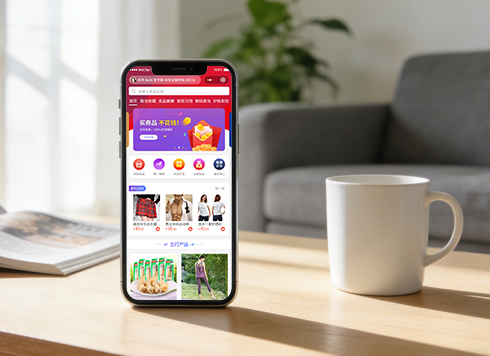 Well-Recognized Custom E-Commerce Mall System Dev
The Good Shopping mini-app is natively buil ...
-
 Anhui Huixiang Vegetable Garden Agricultural Products Mini Program v2.0 Iteration Development
HuiXiang MiniApp V2.0: Upgraded homepage, n ...
-
 Kunshan TrialBook Mini-Program Custom Development
This project developed an English-only Tria ...
-
 Agricultural Products WeChat Mini Program Custom Development
Lvran Di enhances agricultural sales via a ...
-
Mini program just shipped a new version with a bug: roll back first or stay up fixing it?
Date: Sep 12, 2026 Read: 14
-
If I Change My Mini Program Name, Will the QR Codes and Flyers I Already Sent Out Be Wasted?
Date: Sep 11, 2026 Read: 22
-
Can We Launch Mini Programs on WeChat, Alipay, and Douyin at the Same Time, or Do We Need Three Separate Ones?
Date: Sep 10, 2026 Read: 27
-
New Mini Program version is live, but existing users see the old version — is this normal?
Date: Sep 9, 2026 Read: 32
-
SMS Shows Sent Successfully but the Phone Never Receives the Verification Code: Which Step Is It Stuck At?
Date: Sep 8, 2026 Read: 32