




Full Process Guide for WeChat H5 Development
In the mobile internet era, WeChat H5 pages have become a critical tool for brand marketing, user engagement, and campaign promotion. A successful H5 campaign requires not only eye-catching creativity and polished visuals but also a rigorous, efficient production process. Drawing on industry best practices, this article systematically outlines the full lifecycle of creating a WeChat H5 page from concept to launch, sharing key tips to help you avoid common pitfalls in real-world projects.
1. Overview of the Core Production Process
A typical H5 project follows five sequential stages: brainstorming → copywriting → design → development (via tools or code) → testing and launch. These interconnected phases form the core project workflow.
2. Step-by-Step Breakdown: From Concept to Launch
1. Pre-Project Preparation & Campaign Planning
Every H5 campaign starts with a clear objective. Before development, the team must define goals: boosting brand awareness, acquiring new users, or activating existing users. Based on these goals, planners create a detailed campaign brief covering theme, storyline, functional modules, interaction types (games, quizzes, polls, lucky draws, etc.), prize structure, and overall visual style. To visualize layout and interaction logic, planners use prototyping tools to build wireframes, providing a clear blueprint for design and development.
2. Visual Design & Creative Execution
Once the brief and wireframes are approved, the project moves to visual design. Graphic designers and illustrators create high-fidelity mockups following the approved style. Many H5s use illustration for stronger storytelling and emotional connection, attracting users with cohesive, detailed visuals. Designers collaborate closely with planners to align visuals with the campaign core while ensuring technical feasibility for development.
3. Page Development & Functional Implementation
After design approval, front-end developers convert mockups into functional H5 pages. Key tasks include building page structure (HTML), styling (CSS), and interaction logic (JavaScript), plus implementing features like lucky wheels, quiz scoring, and vote counting. Developers prioritize cross-device compatibility and performance optimization.
4. Testing & Optimization
Post-development, rigorous testing is mandatory before launch. Testers validate functionality and UX across multiple mobile devices, OS (iOS & Android), and WeChat’s in-app browser. Test scope includes feature functionality, layout alignment, interaction responsiveness, and link accuracy. Bugs and feedback are logged, fixed by developers, and retested until all issues are resolved for a stable, smooth user experience.
5. Launch, Promotion & Data Analysis
After passing testing, the H5 is deployed to servers and officially launched. Launch marks the start of promotion and operations: teams use strategies like online ads, KOL collaborations, and official account pushes to reach target audiences. Post-campaign, data review is critical—analyze traffic, participants, share rates, user profiles, and conversion rates to summarize performance and insights, guiding future marketing decisions.
3. Key Considerations for H5 Production
Alongside the workflow, these technical and design principles directly impact H5 performance:
-
Concise Content, Clear Focus: Mobile screens have limited space—keep copy brief. Use clear hierarchy and font sizing to help users grasp key info quickly.
-
Optimized Assets, Speed First: Loading speed determines user retention. Compress images, audio, and video to reduce file sizes, use caching, and avoid slow load times that drive users away.
-
Cohesive Visuals, Multi-Device Adaptation: Use clear, properly sized images and harmonious color schemes to avoid visual fatigue. Implement responsive/flexible layouts to ensure consistent display across all mobile screens.
-
Custom Dev vs. Template Tools: Custom development is recommended for branded campaigns needing unique design and complex interactions, delivered by professional design/dev teams. While higher-cost, it fully meets custom needs and strengthens brand expression.
4. Conclusion
Creating a high-quality WeChat H5 page is a systematic process integrating creative planning, visual design, and technical development. Every stage—from brainstorming to data review—requires precision and cross-team collaboration. Whether using custom development or template tools, following this standardized workflow and prioritizing UX and details greatly boosts campaign success, building an effective bridge between brands and users.
-
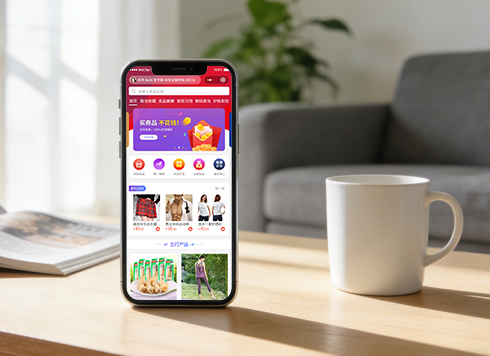 Well-Recognized Custom E-Commerce Mall System Dev
The Good Shopping mini-app is natively buil ...
-
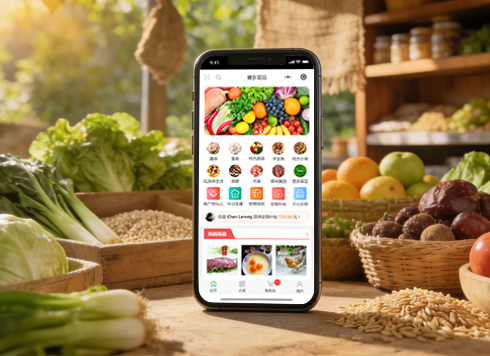 Anhui Huixiang Vegetable Garden Agricultural Products Mini Program v2.0 Iteration Development
HuiXiang MiniApp V2.0: Upgraded homepage, n ...
-
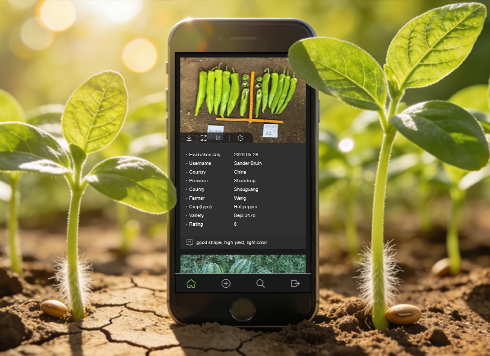 Kunshan TrialBook Mini-Program Custom Development
This project developed an English-only Tria ...
-
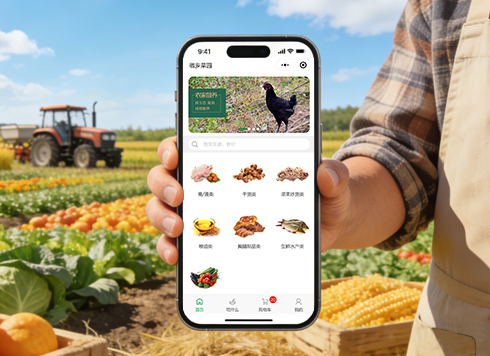 Agricultural Products WeChat Mini Program Custom Development
Lvran Di enhances agricultural sales via a ...
-
When users enter a shipping address and the keyboard pops up, the submit button can't be tapped: should you change the page structure or the input component first?
Date: Oct 14, 2026 Read: 7
-
After building an app with a cross-platform framework, Android colleagues say list scrolling feels rough and iPhone colleagues say swipe-back is unreliable: should we change the framework first or patch platform adaptation first?
Date: Oct 13, 2026 Read: 12
-
User-uploaded video plays on iPhone but some Android phones show only audio, no picture: does asking the user to re-record help first?
Date: Oct 12, 2026 Read: 17
-
Company Bluetooth device is discoverable on a colleague's phone but not on my new phone — what should I check first?
Date: Oct 11, 2026 Read: 23
-
Users say the app keeps asking them to rate and they just tap one star — is it safer to remove the rating entry?
Date: Oct 10, 2026 Read: 36