


When clients search a subsidiary’s full name but land on the group homepage, should the website give the subsidiary its own site?
Most group companies in Shanghai do not need a separate site for every subsidiary. Based on 2026 delivery experience, the judgment uses three criteria: whether the subsidiary signs contracts independently, whether clients really search separately, and whether anyone continuously supplies content to the pages. In most cases, 'one main site plus subsidiary topic pages or subdirectories' is enough; only when a subsidiary bids independently and operates an independent brand is a standalone domain more cost-effective.
Why clients searching a subsidiary’s full name land on the group homepage first
Many groups in Shanghai are structured as 'the parent company handles investment and trade, while subsidiaries handle testing, software, engineering installation, or supply chains.' Client sources are also split: foreign buyers search by brand abbreviations, state-owned enterprises and public institutions search by the full name on the business license, and local private clients come through referrals. If the official website only provides a group overview and compresses the subsidiary’s business, qualifications, and cases into one paragraph, then when clients search the subsidiary’s full name they can only land on the parent company homepage and find it themselves—the first step of verifying the entity is broken.
- The subsidiary’s full name appears only in the 'Group Profile' and has no page that can be opened independently.
- Qualification certificates are listed under the parent company, so clients cannot match them during verification.
- The subsidiary has its own business keywords, but all website titles use the group name.
- For tenders or due diligence, when a 'company official website' is requested, you can only provide the parent company URL, which creates high explanation costs.
Run four checks first before deciding whether to split the site
Splitting a site is not an aesthetic choice; it is an operating-cost choice. Each additional independent domain adds another account for filing, renewal, security maintenance, and content updates. If two or more of the four questions point to 'independent', then discuss the plan further.
- Contracting entity: Do contracts, invoices, and tender documents use the subsidiary or the parent company? If the subsidiary signs independently, the page should include at least one entity page that can be cited independently.
- Search terms: Review customer service records, inquiry messages, and search suggestions. Are clients searching the parent company name or the subsidiary name? If there is no independent search demand, few people will visit even if you split the site.
- Content supply: Can the subsidiary consistently produce 6 to 12 publishable pieces of content per year? A standalone site that cannot sustain content tends to become an empty shell after six months.
- Maintenance account: Who is responsible for ICP filing, renewal, and routine copy changes for the independent domain? If no one takes it on, splitting is not recommended.
Comparison of three common approaches
Based on common practice in Shanghai projects in 2026, there are roughly three tiers. The amounts and timelines are only experience ranges; actual figures depend on design volume, content volume, and filing progress.
- Option A | Add a section to the main site: Create a first-level section for the subsidiary on the existing website and share the main domain. A typical experience budget range is RMB 3,000–15,000, with a timeline of 1–2 weeks. Suitable when the business highly overlaps with the parent company and clients generally do not search separately.
- Option B | Brand subdirectory under the main domain: Create an independent path under the main domain, with separate navigation and contact details, while sharing the filing and entity information. An experience range is RMB 500–3,000 per page, 3–10 working days. Suitable for subsidiaries that need to be introduced independently but do not yet sign contracts independently.
- Option C | Standalone domain subsite: The subsidiary goes live with its own domain and filing. A typical experience budget range is RMB 6,000–30,000 per site, with a timeline of 3–6 weeks; a new domain doing ICP filing in Shanghai typically takes 7–20 working days, so it is advisable to allow 2–4 weeks overall. Suitable for subsidiaries that bid independently, operate an independent brand, and have dedicated maintenance staff.
When comparing, focus on one thing: whether the client is routed back to the parent company between search and contact. If you have to explain every time that 'we are part of the same company as X', the entity page is not thorough enough; the problem is not whether you have enough domains.
On delivery: materials and approvals are more likely to block progress than technology
When building group sites in Shanghai, common constraints often come from materials and approvals. The marketing department often has only one contact person, while subsidiary product materials, scanned qualification documents, and case authorizations are scattered among several owners; budgets are also reported annually as a whole, so the money for splitting a site has to fit into the same slot. A more reliable approach is to verify three things first: the subsidiary’s business license and qualification list, the terms clients actually search for, and the amount of publishable material each subsidiary can provide. Launch the main site together with two or three subsidiary topic pages first, and add the rest when materials are ready. A common situation in projects is: to meet the group’s annual milestone, a subsidiary is made into a standalone site, but filing is not completed and there is no time to write content, so a subdirectory has to be used temporarily; later, 301 redirects and re-submission of filing add another two or three weeks of rework. The experience range for this kind of rework is often two to four weeks, with the cost mainly in time and labor.
When it applies and when it does not
Situations suitable for a standalone-domain subsite are usually very specific: the subsidiary bids independently, signs contracts independently, and issues invoices independently; clients already search by the subsidiary name; the subsidiary has its own industry exhibitions and channels; and someone internally can continuously supply content. In such cases, after splitting, it is easier for clients to verify the entity and business, and you can directly provide the corresponding URL during bidding.
The unsuitable cases are equally clear: the subsidiary is only an internal accounting unit and still signs contracts externally in the parent company’s name; clients never search for the subsidiary separately; annual content output is fewer than five pieces; and there is no regular person maintaining it. In such cases, adding a topic page to the main site that clearly explains the entity, business, and contact person is more cost-effective than opening another domain. If the subsidiary’s clients are mainly local to Shanghai and deals come through referrals, the website’s role is verification rather than lead generation, and the benefits of splitting the site often cannot cover maintenance costs.
Frequently asked questions
If a subsidiary is placed in a subdirectory under the main domain, will clients think it is not formal?
Most clients will not. Shanghai clients judge formality by whether the entity information on the page, office address, and contracting entity are consistent; as long as the subdirectory has a stable URL, independent navigation, and contact details, signing scenarios are generally not affected.
If a separate domain is registered for a subsidiary, does it need a new filing?
Yes. An independent domain hosted on domestic servers needs its own ICP filing. In Shanghai, this typically takes 7–20 working days, and it is safer to allow 2–4 weeks overall. Using the subsidiary’s business license for the application is usually smoother.
After splitting the site, will the original main site’s rankings drop?
Typically they will not drop directly, but there may be short-term fluctuations. The main risks are old links without 301 redirects, broken cross-navigation links, and large blocks of duplicate content between old and new pages; once handled cleanly, rankings usually stabilize within 1–2 months.
If there are only two or three subsidiaries, is it still worth splitting into standalone sites?
Usually not. When there are few subsidiaries and the businesses are closely related, the experience cost of one main site plus three topic pages is around a few thousand RMB, with a timeline of 1–2 weeks. Clarifying the entity and business first is more effective than splitting the site.
As a next step, run a small-scale check first: compile inquiries, customer service records, and search terms from the past three months, and see at which level the subsidiary name appears; then ask each subsidiary to submit a list of its business license, qualifications, and publishable materials. After the check, decide whether to add a section, open a subdirectory, or split into a standalone site. If clients are mainly local to Shanghai and contracts are signed in the parent company’s name, first make the main site’s entity pages thorough; there is no need to rush into opening more domains.
-
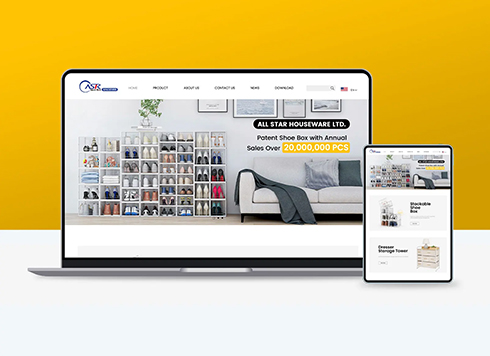 Website Development for Home Storage Product Manufacturers
Founded in 1999, the company specializes in ...
-
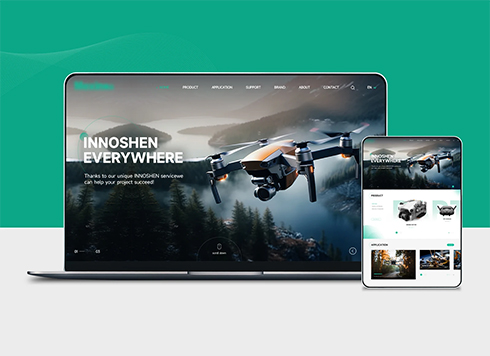 Drone Accessories Company Website Development
Incorporating gray as an accent with the pr ...
-
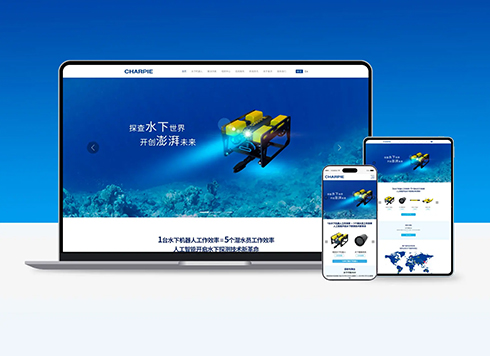 Website Development for Underwater Exploration Robot Equipment R&D Company
The company, founded by PhDs, specializes i ...
-
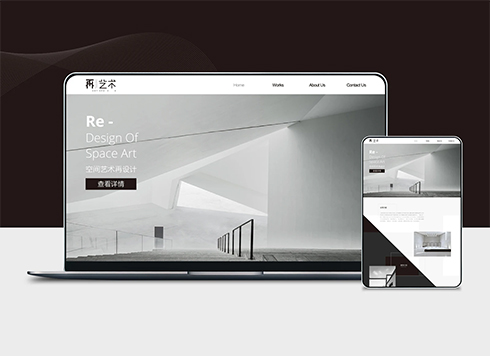 Public Space Design Company Website Development
The company integrates art, technology, and ...
-
How Much Does a Website Cost in Shanghai? Template vs. Custom Websites in 2026
Date: Aug 11, 2026 Read: 129
-
Shanghai Website Development Guide: Complete Process from Planning to Launch for Enterprise Websites
Date: Jul 25, 2026 Read: 156
-
Shanghai web design, look here!
Date: Mar 26, 2026 Read: 438
-
How to build a foreign trade website? Look here!
Date: Mar 26, 2026 Read: 653
-
Shanghai Website Production Full Process Analysis: Complete Steps from Planning to Launch
Date: Mar 18, 2026 Read: 424