Suzhou Factory Website: Before an Overseas Client Audit, Should You Detail the Equipment List or Keep It Vague?
Conclusion first: On a Suzhou factory website, before an overseas client factory audit, the equipment list page is generally checked only for whether the factory can prove “in-house production capacity” and “process fit,” not for having as many machines as possible. Based on 2026 project delivery experience, write it in three layers: capability conclusion—equipment category—verification method. First state the main process and typical precision range; then group equipment categories by process; finally give inspection, system, and on-site verification methods. When the production line layout, specific models, and client names are confidential, do not lock them down; close with wording that can be verified on site. This way you neither lay all your cards on the table nor let procurement put you on the trader side at first glance.
Why Do Clients Check the Website Before They Visit?
Suzhou is a relatively dense area for foreign-enterprise and Taiwan-funded supporting companies. Many factories’ client headquarters are in Shanghai, Shenzhen, or overseas, and procurement’s first contact is often not local. In the common 2026 supplier screening process, clients do a round of public information checks before scheduling a visit, and the official website is often one of the pages where clients can proactively check machining capability. This round is not deep, but it determines whether the client enters the next round.
At this step, clients generally look at only three things: what process you do, whether you have the corresponding equipment, and whether they can find a verifiable entity. If the website has only a few workshop panoramas and the line “advanced equipment,” clients often turn to B2B platforms or keep asking peers, and during quotation they may first put you on the trader side, after which salespeople have to explain repeatedly to reverse the impression.
- Procurement: Checks process coverage and whether it matches drawing requirements;
- SQE or quality: Checks inspection capability, system certification, and typical tolerance control;
- Project team or the boss: Judges scale and authenticity, and whether an audit trip is worth arranging.
For the Equipment List Page, Write in Three Layers
The reason for layering is that clients read the equipment page in different orders and depths: procurement scans categories, quality focuses on inspection and precision, and the boss looks at overall authenticity. The three-layer approach serves all three groups at once and does not require laying out all parameters at once, preserving both credibility and room for confidentiality.
- Capability conclusion layer: State the main process and typical precision range in one sentence, for example “mainly CNC machining, with common tolerances in a certain range.” Use experience ranges for numbers, not precise promises.
- Equipment category layer: Group by process and write equipment categories and quantity ranges (turning, milling, grinding, inspection, etc.). Do not lock down specific models unless the client explicitly asks for verification.
- Verification method layer: Inspection equipment, system certificates, whether an on-site or video factory visit can be arranged, and how to contact the right person.
Each layer has different points to watch: the first layer should give a conclusion rather than list equipment names; in the second layer, it is better to write “several units” than to invent quantities, because a client will expose it during an audit; the third layer is what foreign-enterprise clients care about more, and whether things can be verified is often more important than how long the equipment list is.
What to Do When Material Is Incomplete or Parameters Are Confidential
In Suzhou factory website projects, a common constraint is that clients do not want to disclose production line layout, specific models, and client names, while the only available material is a few photos taken by salespeople on mobile phones, and the deadline is often within two weeks. Our approach in such projects is: first build a layered capability page, replace confidential parts with wording that can be verified on site, and use inspection capability, system certificates, and served industry categories instead of specific client names, so the page can go live and be used first.
The trade-off is real: trust on the homepage comes more slowly, usually only after the client reads second- and third-level pages or books a factory visit. In the early stage, the typical range is one to two revision rounds, and if engineers need to confirm precision wording, it can be delayed by two or three days. So material and confidentiality conditions should be clarified before work starts, not added when the page is almost final.
What Is the Difference Between Only Workshop Photos and Layered Capability Writing?
The difference between the two approaches is not whether they look good, but whether clients can make a judgment from them. Only workshop photos go live quickly and require little material, but clients cannot confirm process coverage, and before an audit they easily start with a question mark; layered capability writing requires organizing process and inspection information and takes longer to prepare, but it shortens the screening cost in the client’s first communication.
- Only workshop photos: Typically live in 3 to 7 days, with single-page enhancement often in the range of several thousand yuan; suitable for small domestic trade orders where clients mainly look at price and lead time.
- Layered capability page: In Suzhou, a full site commonly costs RMB 15,000 to 50,000 and takes 3 to 6 weeks, including content framework organization; suitable for foreign-enterprise supporting and audit-type clients.
- Common point: Either way, contact details, factory address, and verification methods must be clear; otherwise clients still cannot find a foothold.
Applicable Scenarios and Boundaries
The suitable cases are fairly clear: clients are mainly foreign enterprises, Taiwan-funded companies, or large manufacturers, and the procurement process includes supplier audits; the process has a certain threshold, and clients ask about precision, inspection, and capacity; the company has stable processes and real equipment that can be verified. In such cases, the capability page is worth doing carefully because it directly determines whether clients are willing to reach the factory audit stage.
There are also cases where you do not need to copy this: clients are local small orders and only look at price and lead time; the process is simple and clients basically do not audit factories; or the equipment information itself falls within the confidentiality scope of a client contract. In these cases, turning the equipment page into a long marketing article only increases maintenance burden; it is better to make the basic information and contact details solid.
- Recommended: Foreign-enterprise supporting, precision machining, factory audits required;
- Handle carefully: Confidential production lines, client contracts that prohibit disclosure;
- Not necessary: Purely domestic small orders, clients who do not care about process details.
FAQ
Does a Suzhou factory website equipment list need specific models?
Usually you do not need to lock down models. Writing equipment categories, quantity ranges, and precision ranges is enough; when a client needs verification, provide models or arrange an on-site factory visit, which is more prudent.
If there is no inspection equipment, only machining equipment, how should the page be written?
Write machining capability and typical tolerance ranges truthfully. For inspection, write outsourced or third-party inspection. Do not present outsourced inspection as in-house; foreign-enterprise clients can easily check this during an audit.
Can client names and production line photos be posted on the website?
It depends on the contract and authorization. Without written consent, do not post client names; production line photos can be taken from angles that do not reveal process layout, and confidential areas should be replaced with verifiable descriptions.
If the website equipment page is well written, will clients no longer come for an audit?
No. A factory audit is a necessary step. The capability page’s role is to make clients willing to reach the audit stage and reduce repeated early questions and ineffective communication.
For Suzhou and Shanghai clients, should the equipment page be written separately?
Usually there is no need to split by city; write by process and capability. If clients in the two places have very different concerns, present them in subsections on the same page rather than duplicating two sets of pages.
First write the main process, common precision, and inspection capability clearly in three sentences, then decide whether to expand equipment categories and verification methods. If clients are mainly foreign-enterprise supporting and factory audits, it is advisable to use a three-layer capability page and budget and schedule for a full site; if clients only look at price and lead time, make the basic information and contact details solid, and do not overinvest in the equipment page.
-
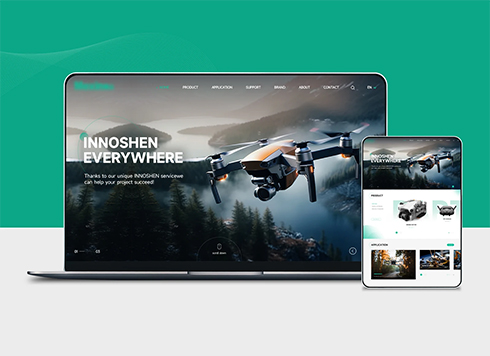 Drone Accessories Company Website Development
Incorporating gray as an accent with the pr ...
-
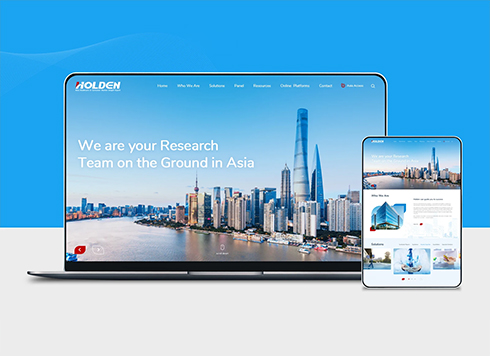 Professional International Research Service Agency Website Construction
This project serves a company with internat ...
-
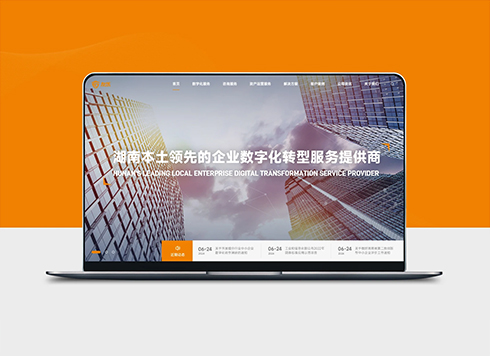 The Construction of Group Websites for Asset Operation and Digital Services
This project is to create a website for a c ...
-
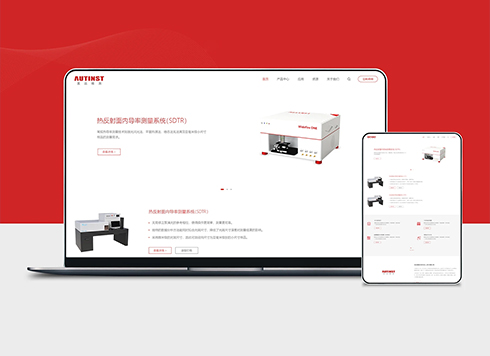 Thermal Test Equipment Website Construction
Founded in 2022, this tech company focuses ...
-
A Suzhou factory's website only swaps model names on product pages — when customers search a specific spec, can they still find the matching page?
Date: Sep 22, 2026 Read: 62
-
Chongqing company website: in WeChat Search, customers only find Official Account posts, not the website page—where is it stuck?
Date: Oct 11, 2026 Read: 19
-
Guangzhou company's website photos scraped by a competitor: platform complaint first or contact them first?
Date: Oct 10, 2026 Read: 32
-
Shenzhen company website lists only a salesperson's mobile and calls nobody answers — does switching to a 400 number help?
Date: Oct 9, 2026 Read: 27
-
Shanghai company website: when customers search “Shanghai + product,” the first page is full of competitor ads—are organic rankings still worth building slowly?
Date: Oct 8, 2026 Read: 31