




Custom Mobile Development: How Complete Should Real-Device Testing Be Before Launch?
Real-device adaptation is a common pitfall before launching custom mobile development. In 2026, it's not rare to see apps that look fine in simulators but show status bar obstruction, font clipping, video black bars, or crashes when installed on real phones. Based on project delivery experience, pre-launch real-device testing should at least cover currently high-market-share mainstream models, plus models your core user group is using. The experience range is around 10 to 15 models, rather than spending budget on testing hundreds of devices.
Why Real-Device Adaptation Often Goes Wrong
Simulators differ significantly from real devices in rendering methods and hardware capabilities. Android fragmentation is obvious—screen ratios, cameras, sensors, and customized system versions vary; iOS is relatively unified, but the resolution handling of notch screens, Dynamic Island, and different iPad sizes is not the same. So passing simulator tests only indicates that the functional logic has no major issues; it cannot replace real-device runs.
The trade-off standard for real-device adaptation is not "the more models tested, the better," but covering high-probability-error and high-value-user scenarios within budget and timelines. For example, Android WebView rendering and iOS Safe Area are places where problems are likely to surface only on real devices. In 2026, foldable screens and in-car displays are entering the view of ordinary users, making adaptation targets more complex, so real-device testing should be a fixed acceptance item even more.
- Screen size and safe area changes caused by notch, punch-hole, and Dynamic Island;
- System font scaling, display size, and accessibility mode causing page layout overflow;
- Time differences in image and video loading when switching between Wi-Fi, 4G, 5G, and weak networks;
- Inconsistent permission dialog behavior on some system versions for camera, location, microphone, and other hardware permissions.
To judge whether adaptation passes, you cannot just look at screenshots. You also need to review operation paths and system logs. For example, system-level interactions like edge swipe back, pull-to-refresh, and keyboard popping up from input fields, if conflicting with app gestures, make users feel "laggy" or "unresponsive." Such issues are not easily reproduced in simulators but are common on real devices.
Pre-Launch: What Checks to Add for Real-Device Adaptation
Based on project delivery habits, you can use a "three-step checklist" to make real-device adaptation solid before launch, addressing whether it works, whether it looks good, and whether it causes frustration.
- Hardware capability check: For all pages that use camera, microphone, location, gyroscope, fingerprint/Face ID, verify permission dialogs and callbacks one by one on real devices. The specific approach is to go through all relevant pages on target devices, record when the authorization dialog appears, behavior after canceling authorization, and whether cold-start entering again works properly.
- System difference check: Pick 1 to 2 major system versions on each of Android and iOS to check the impact of status bar height, full-screen gestures, split-screen mode, and background-kill policies on the app. A typical practice is Android selecting the current mainstream version and the previous one, and iOS selecting the current version and one older major version.
- Visual and interaction check: Pick core pages and go through text, images, and buttons on target devices, recording any clipping, obstruction, blur, or misplaced tap areas. In this step, enable real display settings, such as larger system font and increased display size, and test according to common user scenarios.
Do not skip steps. If you skip the hardware check first, the later visual check will be repeatedly interrupted by permission issues; if you skip the system difference check, some low-probability but high-impact crashes will leak to production.
Common pitfall reminder: In 2026, safe area adaptation for large-screen and foldable devices is more complex than in earlier years. If your app only uses a fixed-height design, it's easy to break at three places: the drag bar, bottom action area, and status bar.
How to Judge "How Much" Real-Device Testing Is Enough
There is no one-size-fits-all list, but you can calculate an experience range based on three things: devices, system versions, and user profiles.
- Android models: cover 3 to 5 mid-to-high-end models from mainstream brands released in the past two years, plus 1 budget entry-level model;
- iOS models: cover 1 full-screen model and 1 older model with a Home button (if your business users still have older models);
- System versions: Android covers the last 3 major versions, iOS covers the current version and 2 major versions back.
The value of this range is controlling costs while keeping common scenarios within coverage. If the project budget is tight, it's not recommended to buy dozens of real devices; instead, use a real-device cloud testing platform to go through mainstream models, then pick 2 to 3 core models for manual confirmation.
It's common in projects for clients to cut real-device testing to "just running a simulator" to save budget, only to receive user feedback after launch about crashes on some models or camera black screens, forcing emergency version fixes. The combined cost is even higher than renting real-device cloud testing at the beginning. Since then, for similar projects, we explicitly include "real-device testing as an acceptance item" in the contract, along with a device list, to avoid rework.
Comparison of two approaches:
- Option A: Build your own device lab. Suitable for companies with a long-term testing team and multiple product lines, but device maintenance and depreciation costs are not low;
- Option B: Real-device cloud testing platform plus core manual real-device testing. Billed per use, more cost-effective and flexible within the typical range for small and medium projects.
How to judge whether a real-device testing report is qualified? The report should at least include model, system version, reproduction steps, screenshots, and a pass/fail conclusion. If a certain category of models shows a significantly higher crash rate than others, it is recommended by experience to delay the launch and first locate the problem.
Applicable Scenarios and Boundaries
Real-device adaptation is more worthwhile for C-end apps targeting mass users, or apps with strong hardware-dependent features like payments, login, audio/video calls, and map navigation. After these products launch, user device variables are large, and whether adaptation is sufficient directly determines reputation and retention.
Conversely, if it's an internal management tool, a one-time demo prototype, a short-term campaign page, or an industry application customized for specific devices, you don't need to follow the whole set of processes above. As long as the business process works, and the devices provided by the vendor have already undergone matching debugging, verifying the core flow is sufficient.
To decide whether to do real-device adaptation, start with three questions: Do target users use third-party devices? Does the app invoke hardware capabilities? Is the repair cost high if compatibility issues occur after launch? If two of the three are affirmative, it's worth doing.
In addition, for small demos with extremely short budgets and timelines that are clearly just trials, there is no need to force real-device adaptation for "ceremony." Spending the budget on basic functionality is more meaningful.
FAQ
How many models do I need to test at least for real-device adaptation?
The experience range is 5 to 8 mainstream models from leading brands, plus 2 to 3 models actually used by your core users; more important than quantity is covering OS major versions and screen ratio differences.
Can I launch directly after testing in a simulator?
Simulators can only verify functional logic, not replace real-device verification of hardware calls, system permissions, and screen adaptation; at least do one round of real-device cloud testing or borrow real devices before launch.
How much budget should be set aside for real-device adaptation?
Based on project delivery experience, real-device adaptation (including cloud testing and manual verification) typically takes 5% to 10% of the overall development budget, depending on the number of models and testing scope.
After launch, a user reports display issues on a certain phone. Who is responsible?
Commonly per contract, if that model was not promised in the adaptation list, extra budget is usually required; if it was in the list but not tested well, the development team bears the fix.
How to judge whether a real-device testing report is reliable?
Check whether the report includes model, system version, reproduction steps, screenshots, and pass/fail conclusion; for reports that only write "pass" without screenshots, we recommend requesting supplements.
Real-device adaptation is a step with a relatively obvious return on investment. First define the adapted device list, run three rounds of real-device verification along core flows, and then decide whether to add more tests based on results. If you are making a short-lived marketing page or internal tool, you don't need to copy the full process; if it's a long-term C-end product, include real-device adaptation as an acceptance item before launch—this is still worth it in 2026.
-
 Well-Recognized Custom E-Commerce Mall System Dev
The Good Shopping mini-app is natively buil ...
-
 Anhui Huixiang Vegetable Garden Agricultural Products Mini Program v2.0 Iteration Development
HuiXiang MiniApp V2.0: Upgraded homepage, n ...
-
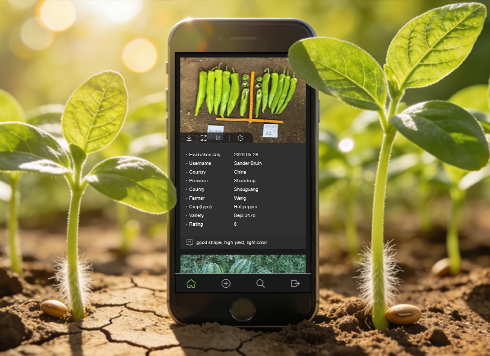 Kunshan TrialBook Mini-Program Custom Development
This project developed an English-only Tria ...
-
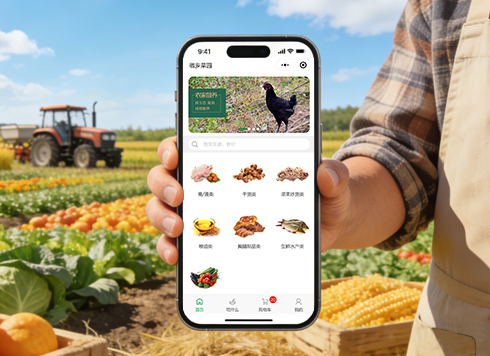 Agricultural Products WeChat Mini Program Custom Development
Lvran Di enhances agricultural sales via a ...
-
Custom Mobile Development: Is a User-Only App Without an Admin Backend Still Enough in 2026?
Date: Sep 2, 2026 Read: 88
-
Lower Custom Mobile Development Quote: Should You Sign? Check These Points in 2026
Date: Aug 30, 2026 Read: 114
-
After custom mobile development delivery, how long does it usually take for your own team to take over the code?
Date: Aug 25, 2026 Read: 89
-
Custom Mobile Development: Do Outsource Vendors Really Handle Domain Registration, ICP Filing, and Server Hosting?
Date: Aug 24, 2026 Read: 114
-
Custom Mobile Development: How Big Is a Requirement Change? When Do You Get Charged?
Date: Aug 22, 2026 Read: 111